Category: Uncategorized

  • Art Education: Confronting the Contemporary

    Art Education: Confronting the Contemporary

    Vibin George

      Even though art has its own material existence—whether as physical objects, ideas, or ephemerality —it cannot exist meaningfully without being entangled with regimes of power and knowledge. This means that the subjective criteria for becoming an artist have always been recognized and verified by larger institutional frameworks that legitimize what art is. In this sense, the historical figuration of the artist and artistic practice cannot be seen as natural phenomena. Rather, they are processes in which various inclusionary and exclusionary powers are involved. The modern institutional legitimization of artistic practice or the figure of the artist in the Indian context is often shaped through exclusionary powers that have produced a series of binaries within modern artistic and art historical discourse, such as art/craft, skill/experiment, and artist/artisan. One important point to note here is that, in India, even after independence, the hierarchical logic of divisions and exclusions has remained a historical constant. My point here is that the institutional maintenance of such divisions and exclusions is often sustained and reproduced by an uncritical view of its own pedagogic propositions. A colonial pedagogic system was adopted by art educational institutions in India and, apart from a few exceptions or alterations, continues to be followed. I am not going to elaborate on this complex history; rather, I would like to focus on a few observations from my own experience, both as a student who underwent such a pedagogic structure and as a pedagogue.

      Let me start with a brief historical perspective on Kerala’s art education. Many unequal and essentialist approaches can be found when examining its history. The earliest recorded thoughts on establishing an art institution in Kerala date back to 1859, as seen in a letter Allan Brown wrote to T. Madhavarao, proposing a school that would employ the “slaves of the soil” (Pulliyars) in useful trades—an act he regarded as “real emancipation.”  In 1872–73, the government established an ivory carving institution under the direction of a Brahmin, who designed patterns and supervised their execution, aiming to cultivate the carving skills in which Travancore workmen had already achieved significant eminence. When painting was introduced to the school in 1895–96, one of the conditions for admission was that the students be sons of artisans engaged in related industries. According to the 1901 census, there were 919 painters in the state, yet there are no available records regarding their names or the types of paintings they produced. Interestingly, art historical investigations reveal that the generation following Raja Ravi Varma did not emerge from the formal art school system but rather from a tradition of private apprenticeship, often under some of his kinsmen. Some of these earlier historical facts make it clear how caste hierarchy has played a crucial role in shaping and sustaining the pedagogic functions of art institutions in Kerala. In other words, while upholding caste hegemony, the primary role of early art institutions was to produce a laboring class drawn from specific caste communities.

      I bring up this historical instance because we can trace contemporary echoes of these lineages when we closely examine the current state of fine arts education. The subjugating machinery that produces the “fine art student,” “the art teacher,” or the “artist” continues to inculcate a secondary sense of self within the institutional production of knowledge. In other words, artistic practice and its educational propositions are still not regarded as equal to other forms of knowledge production. This becomes evident when we consider how art teachers are still treated as secondary within academia, particularly in terms of salary benefits, despite holding advanced degrees and PhDs.

      Let me elaborate a little further with the concept of ‘internalised oppression’ articulated by Anand Teltumbde. Internalized oppression refers to the phenomenon in which an oppressed group comes to believe, accept, or embody the inaccurate myths and stereotypes imposed upon them by their oppressors. In an educational context, this can manifest in students and teachers internalising societal beliefs about their capabilities and worth. In Kerala, this is reflected in the large number of students who do not pursue postgraduate programs, refrain from adopting creative art practices as their profession, or lack the confidence to assert their own artistic practice. Some students drop out of their academic studies, and tragically, a few even end their lives. Mental health issues are increasingly prevalent among students. The situation is not much different for the teaching staff. In most government fine arts educational institutions in Kerala, teachers are often overwhelmed with administrative responsibilities, leaving little room for meaningful pedagogical engagement. This burden gradually undermines their self respect, critical thinking, and confidence, allowing bureaucratic governance to dominate pedagogy, which, in turn, influences broader cultural discourses. Such unequal disciplinary divisions are not confined to fine arts education alone; similar disparities are apparent when comparing the humanities with the sciences. For instance, Sundar Sarukkai observes the secondary position occupied by the Humanities and Social Science departments in IITs and critiques the adoption of a “scientistic” perspective on liberal education, as reflected in policy documents such as the NEP. He emphasises the importance of recognising the fundamental differences between the humanities, social sciences, and sciences in their approaches to academic inquiry. Addressing the contemporary crisis faced by the humanities in an increasingly materialistic and “scientized” world, Sarukkai argues that humanities scholarship should respond by actively demonstrating its applicability rather than focusing solely on its utility. In his view, the notion of utility is framed from an instrumental perspective, whereas applicability—particularly when valued for its own sake—transcends such instrumental considerations. When we consider the new curriculum revision in Kerala under the Four-Year Undergraduate Programme (FYUGP), the situation remains unchanged in terms of recognizing the fundamental differences between the humanities, social sciences, and sciences in their approaches to academic inquiry. To illustrate this, let me elaborate on the recent developments in the Fine Arts section at RLV Government College within the framework of the FYUGP.

      The Four-Year Undergraduate Program (FYUGP) represents one of the recent significant shifts in higher education in Kerala. As someone involved in revising the syllabus according to the structure provided by Mahatma Gandhi University and the Department of Higher Education, I can say that there are many structural issues that need to be addressed. At the implementation level, the basic structure of the FYUGP does not adequately recognise practice-based programs like Fine Arts. Despite the many new changes, fine arts education has not been given the attention it deserves. In fine arts education, the concepts of time, space, and object must be approached from a perspective different from the prevailing “scientistic” pattern. This program should be envisioned as an emergent practice. The new syllabus implemented under the FYUGP regulation at RLV Government College after 25 years is progressive in many respects but requires special attention regarding the distinct academic nature of fine arts. This oversight is not new. I suggest that, rather than assimilating visual arts programs into a structure designed for other humanities disciplines, there should be a tailored framework for the visual arts curriculum that considers its specific teaching methods and evaluation processes.

      Apart from the above-mentioned issues, Fine Arts education has always been denied proper infrastructural Resources. What constitutes resources for fine arts education, and how are they denied? By “resources,” I refer to infrastructure—such as space and materials—and intangible elements like a visionary syllabus, committed teachers, visiting faculty, and other forms of academic support. But the crucial questions remain: Are there enough resources? And even if resources exist, are they suitable and feasible for a fine arts institution? Most infrastructural needs in government fine arts institutions are addressed with a generic education model, largely based on the framework used in arts and science institutions. However, the treatment of teaching faculties does not follow this same pattern. In Kerala, from the school level onward, fine arts teachers have been regarded as holding lesser positions than those teaching “serious” subjects. This disparity is evident not only in terms of respect but also in salary structures. Such structural anomalies within educational institutions reinforce hierarchical divisions.

      How, then, do we conceptualise time, space, and material in the context of art education? What primary factors inhibit imaginative engagement in this domain? Typically, the education system imposes a standardised concept of time to meet systemic requirements and ensure that all assessable criteria are fulfilled. Yet, this raises critical questions: What exactly does the institution assess? What parameters guide this assessment? More importantly, should we even assess achievements when those parameters inherently vary for each student? These complexities become particularly pronounced within fine arts education, where creativity and individual expression challenge uniform evaluation standards.

      I am not proposing or arguing anything new here. But the question remains: why does the same issue resurface in one form or another? An uncritical view of the structural anomalies in visual art pedagogy often reinforces and naturalises established beliefs and practices as truths. This, in turn, reproduces the hegemonic notion that creative abilities or genius are inherent dispositions of certain classes of people. We can observe how hegemonic structures operate within dominant social, cultural, and political frameworks to maintain the status quo by relegating certain forms of knowledge to a secondary position. This phenomenon can be described as a particular form of protected ignorance. Such ignorance stems from deeply ingrained cultural, social, and political structures shaped by historical processes. In the context of Prof. Y. S. Alone’s work, it is perpetuated through dominant narratives that privilege certain perspectives while marginalizing others, especially those from oppressed communities. This marginalization arises from a combination of historical legacies, cultural and social hierarchies, educational systems, institutional practices, modes of representation, and the suppression of alternative viewpoints.

      Over the past fifty years, artistic practice has undergone profound transformations, influenced by various epistemological and political interventions such as feminism, feminist movements, Black politics, queer theory, and queer movements. These forces have played a pivotal role in expanding cultural production and challenging the traditional institutional frameworks that once defined art. Consequently, the boundaries of artistic practice have widened, enabling new forms of expression and opening up emancipatory possibilities within the cultural landscape. These transformations are not the result of an auto-genetic evolution of artistic practice. Rather, they are driven by recognising that art must be regarded as a form of critical knowledge production. In other words, we need to position criticality at the core of art. Achieving this requires a multifaceted approach, including critically examining pedagogical structures, institutional reforms, and an intense commitment to inclusivity and equity.

      Vibin George

      References

      • Nandakumar, R. (2022). Insight and Outlook: Selected Essays on the Contemporary Art of Kerala.
      • Teltumbde, A. (2010). The persistence of caste: The Khairlanji Murders and India’s Hidden Apartheid.
      • Surukkai, Sundar (2019). A Blinkered View of Humanities Education?,Economic and Political Weekly, Vol. 54, Issue No. 32, 10 Aug.
      • Alone, Y. S. (2017). Caste life narratives, visual representation, and protected ignorance. Biography, 40(1), 140–169. https://doi.org/10.1353/bio.2017.0007

    • How to follow a Recipe: 

      How to follow a Recipe: 

      Place-ing for experience and location in Art education.  

      Govt colleges are places which provide affordable education to a huge number of students coming from varying social strata in the Indian society and it makes education affordable for a large number of students for whom otherwise education would have been an impossibility. As G Arunima observes in her essay Thought,Policies and Politics, that the idea of university itself is paradoxical at once intimate and embattled, because teaching is hierarchical. Government universities achieved a democratic possibility through constant protests and struggles by its students.

      Most of the students who end up in fine arts institutions in Kerala are from middle class families and subaltern backgrounds. With big dreams and expectations students come to these colleges after passing rigorous entrance examinations and numerous coaching center experiences. But what is it, for them the institution is to offer? I don’t mean that good students or artists have not come out of these Fine art institutions. But it was always the rigor of the student or one or two teachers who operated in seclusion and isolation that has shaped these singularities. These exceptional pedagogic moments have never affected the institutional structures, but have started and ended as closed phenomena or happenings. There can be a good time for an institution depending on the batch. It is high time these institutions actually rethink or look back at the students and ideas that it has set. Institutions should have a vision as such to what it stands for the time to be and the people to arrive.

      “Pedagogy evolved from an auto-cratic, linear form of knowledge, power, and a system of control through the Victorian era to a participatory model of collective learning in the last one hundred years. It was used as a tool to control its colonial subjects in the eighteenth and nineteenth centuries all around the Global South. Academicism in art institutes became a process to homogenize and transform local knowledge into practices and systems of technical information. Since the early twentieth century, different models emerged to reconstitute pedagogy as an interdisciplinary critical framework of practice that situates process as an interdependent framework for multiple disciplines.”

      Velivadas of education: 
      We at RLV college of music and fine arts come from a place where caste is performed on a daily basis, Our college has a unique blend of music, performing arts and fine arts in one campus under one category of music colleges, which makes RLV college an odd out amidst other fine arts colleges in Kerala, The category of “pure” and “impure” dominates the discourse.
      A.S. Ajith Kumar asks a significant question in terms of music colleges in Kerala, that why it is called “music colleges“ rather the more apt name would be ”carnatic music colleges“, through this paradox of naming he further explores how in Kerala’s “normalised” understanding of ”music” as Carnatic music stems from a Brahminical order propagated through media, cinema, and academic institutions. By framing Carnatic music as the sole “pure” form, this exclusionary consciousness dismisses other genres as impure. He further explains this idea in his essay “ shareeravum shariravum” saying that in carnatic music body is “tamed“ whereas in other popular genres body becomes a site of exploration, This same logic works in the institutional structuring of music colleges in kerala.  

      From Know how to some how:
      “What do you do when there are no options?”

      “You invent!”

      If I borrow the term “Cultural slum” from the work of “kąrî’kạchä seid’ou” An influential Art teacher from Ghana, Kerala’s fine arts curriculum has remained a “cultural slum” Under the Brahminical Structural Exclusion of university structures and curriculum building. Could you elaborate this? Is it unique to rlv, is it unique to fine arts? 

      It was in the year 2018, that in RLV which functioned majorly with guest faculties had an assembly of dedicated  teachers, does this mean guest faculties were not dedicated? Under the guidance of Vibin George and Arjun Panayal we conducted reading groups, tried to organise and systematise the classes in a way to make/with a focus on making disciplinary boundaries like sculpture and painting to disappear.

      We imagined workshops with whatever means we could inventing new ways to navigate through these colonial – brahminical curriculum structures of fine arts. Which structures?, Students were encouraged to look beyond the borders of discipline to invent new forms of making and thinking. We were working from literally nothing. 

      Nothing in the sense no presidence or history and nothing to 

      Nothing means scratches? Why?  

      One of the works produced during these exercises was a work imagined by one of our MFA students who used to work as a part time Gig worker in food delivery systems. In his experience of working as a delivery boy/in his delivery work, he was using google maps as a means to record his navigations through the landscape., One of his striking observations was the fact that none of the caste colonies in Ernakulam had the roads of their locations visible in the google map. Elaborate caste colony. He went on to develop a drawing in the google map using GPS to track his travel through the displaced memories of the people throughout the city, who ended up in these caste ghettos which were reminiscent of the land reformation movement in Kerala. Elaborate this connection to land reformation movement. Do you mean land reformation by communist part, or the land movement by dalit adivasi communities? 

      There was another instance during the semester submission of the same batch, where students used black cheap plastic sheets as walls to partition the gallery spaces and the class rooms in to big display space. , Using a material like cheap plastic sheets has a cultural reference in Kerala’s visual culture which is associated with dalit ghettos and laksham veedu colonies. What is laksham veedu colony? The blue trampoline became an identifier with of these marginal spaces, Tarpaulin and plastic was as a material was reinvented in these locations as materials of reimaginations. Which locations, do you mean the two instances you mention or you mean the exhibition or in the colonies?

      The emancipatory possibility of these anamorphic stains in the cultural slums of Kerala’s art education are an invitation to the possibility of human intellect to exercise an ethical way of life and to presuppose or reimagine equality through these small acts.
      (To be continued)

    • വിമോചനാത്മകമാവുന്ന അപരചിന്തകൾ

      വിമോചനാത്മകമാവുന്ന അപരചിന്തകൾ

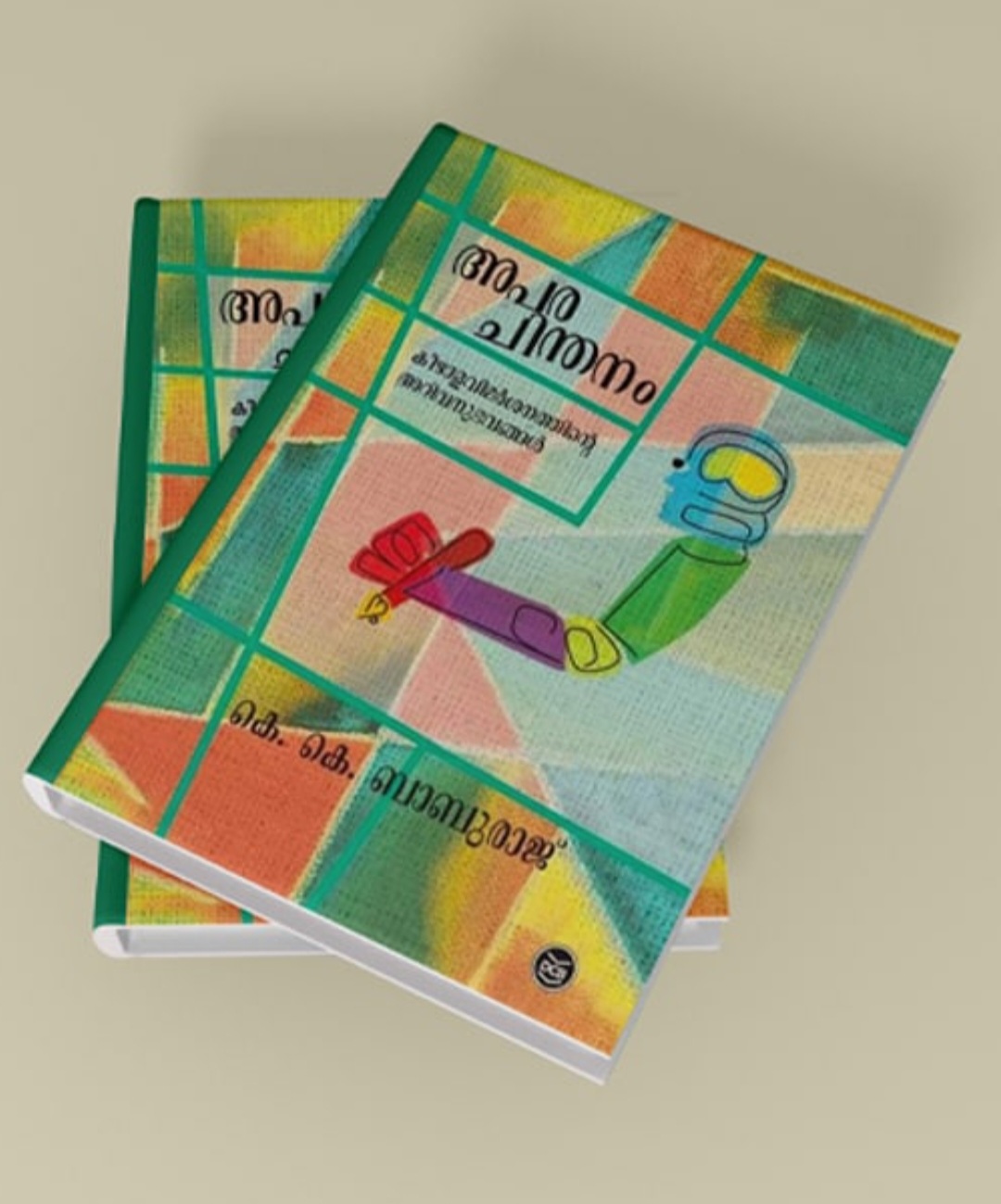
      വ്യത്യസ്തമായ നിരീക്ഷണങ്ങളും അനുഭവങ്ങളും മുന്നോട്ടു വെക്കുന്നു എന്നതാണ് ‘അപരചിന്തനം’ എന്ന പുസ്തകത്തെപ്പറ്റിയുള്ള പൊതു അഭിപ്രായം. കെ.കെ ബാബുരാജിന്റെ സാഹിത്യ, സാംസ്കാരിക, രാഷ്ട്രീയ ഇടപെടലുകളൊക്കെ വായിക്കപ്പെടുന്നതും അങ്ങനെ തന്നെയാണ്. അത് ശരിയുമാണ്. എന്നാൽ കേവലം വ്യത്യസ്തമായത് എന്നു പറഞ്ഞൊഴിയാൻ സാധിക്കുന്ന ഒന്നായിട്ടാണോ ഇതിനെ കാണേണ്ടത്? ‘വ്യത്യസ്തമായത്’ എന്നു പറയുമ്പോൾ പലതിൽ ഒന്ന് എന്ന ഒരു അവസ്ഥ കൂടി ഉണ്ട്. അതായത്, പലതും നിലനിൽക്കുന്നു; അതിനൊപ്പം മറ്റൊന്നുകൂടി ചേരുന്നു എന്നർത്ഥം. ഇവിടെ, നിൽക്കുന്ന ഇടം അനുവദിക്കുന്ന സ്വാതന്ത്ര്യം എല്ലാറ്റിനും പൊതുവായതിനാൽ, അതിനുള്ളിലുള്ള നിയന്ത്രിത ചലനങ്ങൾക്കപ്പുറം ആർക്കും സവിശേഷമായി ഒന്നുമില്ല എന്നും പറയാം. ഇത്തരത്തിൽ കേവലം മറ്റൊന്ന് എന്നതിനപ്പുറത്തേക്ക് ഈ ചിന്തകളെ സ്ഥാനപ്പെടുത്താനാകുമോ?

      ‘വ്യത്യസ്തത’ എന്ന പൊതു പ്രയോഗത്തെത്തന്നെ കവിഞ്ഞു നിൽക്കുന്ന, പലതിൽ ഒന്ന് എന്ന ‘അംഗീകാരത്തിന്’ മെരുക്കാനാവാത്ത ചിന്താജീവിതമാണ് കെ.കെ ബാബുരാജിന്റെ ഇടപെടലുകൾക്കുള്ളത് എന്നാണു ഞാൻ കരുതുന്നത്. കാരണം വ്യത്യസ്തമായതെന്ന് സാംസ്‌കാരിക/രാഷ്ട്രീയ മുഖ്യധാര വിലയിരുത്തുന്ന മിക്കതും വിമർശനാത്മക സ്വഭാവം പുലർത്തുന്നു എന്നു പുറമേക്ക് തോന്നിപ്പിക്കുമെങ്കിലും, ആന്തരികമായി വിധേയപ്പെട്ട ഒരു നിയമ വ്യവസ്ഥക്കുള്ളിലാകും വിന്യസിക്കപ്പെട്ടിരിക്കുക. എന്നാൽ, ഘടനാപരമായ ആ അധീശ നിയമ വാഴ്ചയെത്തന്നെ പ്രശ്നവൽക്കരിക്കുന്ന വ്യവഹാരങ്ങൾ വ്യത്യസ്തമാകുന്നത് പൊതുവിന്യാസ ക്രമങ്ങളോട് വിമർശനാത്മകമായി സംവദിക്കാൻ പുതിയ ഭാഷയും വ്യാകരണവും നിർമിക്കുന്നതിലൂടെയാണ്. ഭാഷയുടെ ഒരുതരം മൈനർവൽക്കരണ¹ (minorization)മാണത്. അതായത്, ഭൂരിപക്ഷ ക്രമങ്ങളുടെ സ്ഥിരതയും അതിർത്തികളും ഭേദിച്ച്, ആ സ്ഥാനത്ത് സ്വയം അവരോധിക്കുകയോ അല്ലെങ്കിൽ സ്വയം പുതിയ അതിർത്തികൾ നിർമിച്ച് അവയ്ക്ക് ശത്രുപക്ഷം നിൽക്കുകയോ അല്ല മൈനർവൽക്കരണത്തിലൂടെ സാധ്യമാകുന്നത്. പകരം അധീശ ക്രമത്തിന്റെ അതിരുകളെ ഭേദിക്കുന്നതിനോടൊപ്പം സ്വയം അതിരുകളിൽ തളക്കാതെ നിരന്തരം വികസിക്കാൻ സന്നദ്ധമാകുകയാണ് ചെയ്യുന്നത്. ചലനാത്മകതയിലും പരസ്പരബന്ധാവസ്ഥ (intersectionality)യിലും ഊന്നുന്ന ദ്രവാത്മകതയാണ് (fluidity) അതിന്റെ ഒരു സവിശേഷത എന്ന് പറയാം. അതുകൊണ്ടുതന്നെ, ഭാഷയിൽ നിലനിൽക്കുന്ന മർദ്ദകമായ സൗന്ദര്യശാസ്ത്ര ഉപാധികളോട് സന്ധി ചെയ്യുന്നതിനു പകരം, ചരിത്രപരമായ ഉപദാനങ്ങളെ വീണ്ടെടുത്തും സമകാലീനവത്കരിച്ചും രാഷ്ട്രീയം, സൗന്ദര്യശാസ്ത്രം (Politics& Aesthetics) എന്നിവയെത്തന്നെ പുനർനിർമിക്കുക എന്ന അത്യന്തം ശ്രമകരവും അപകടകരവുമായ ദൗത്യം അവയ്ക്ക് ഏറ്റെടുക്കേണ്ടതുണ്ട്.

      എഴുത്തിനെയും വായനയെയും അതുമായി ബന്ധപ്പെട്ടു കിടക്കുന്ന തിരച്ചറിവുകളെയും (cognition) പ്രചാരണപരം, അല്ലെങ്കിൽ ഉപകരണവാദപരമായി കാണുന്നതിലെ കുഴപ്പത്തെപ്പറ്റിയും മറിച്ചൊരു സമീപനം സ്വീകരിച്ചതിനാൽ തനിക്ക് ‘ശാപഗ്രസ്തനായ എഴുത്തുകാരൻ’ ആകേണ്ടി വന്നതിനെപ്പറ്റിയും പഴയൊരു ലേഖനത്തിൽ ബാബുരാജ് സൂചിപ്പിക്കുന്നുണ്ട്². അധീശ മുഖ്യധാരയിലെ സുരക്ഷിതമായ നിലനിൽപ്പിനെ ബാധിക്കുമെന്നതിനാൽ ഏറെപ്പേരൊന്നും തെരഞ്ഞെടുക്കാത്ത ഈ രാഷ്ട്രീയ വഴിയാണ് അദ്ദേഹത്തിന്റെ എഴുത്തുകളെ സമകാലികവും (contemporary) വിമോചനാത്മകവുമാക്കുന്നത് എന്നാണു ഞാൻ മനസിലാക്കുന്നത്.

      ഇത് അധീശ ഘടനക്ക് പരിക്കേൽക്കാത്ത വിധം സുരക്ഷിതവും എന്നാൽ ‘പുരോഗമന’ മുഖത്തോടെ എല്ലാറ്റിനെയും ഒരു കേന്ദ്രത്തിലേക്ക് ഉൾച്ചേർക്കുന്ന സ്വാംശീകരണ (assimilation) തന്ത്രവുമാണ്. ഉദാഹരണത്തിന്, കീഴാള വൈജ്ഞാനികതയും മറ്റു ന്യൂനപക്ഷ വ്യവഹാരങ്ങളും മേൽ-കീഴ്/അകം-പുറം വ്യത്യാസമില്ലാതെ സമൂഹത്തിന്റെ സമൂലമായ പരിഷ്കരണത്തിനും ജനാധിപത്യവത്കരണത്തിനുമാണ് ശ്രമിക്കുന്നത്. എന്നാൽ, വ്യത്യസ്ത സമീപനമായി കാണുകയും നിലനിൽക്കുന്ന ശ്രേണീ വ്യവസ്ഥയുടെ സംവർഗങ്ങളിലേക്കുതന്നെ ചേർത്ത് രക്ഷാധികാര-പുരോഗമന നാട്യത്തിലൂടെ അവയെ നിശബ്ദമാക്കുകയും, എതിരിടങ്ങളെ പൈശാചികവത്കരിക്കുകയുമാണ് മുഖ്യധാര ചെയ്യുന്നത്. അതായത്, ബ്രാഹ്മണികമായ ജ്ഞാനവ്യവസ്ഥയുടെ കേന്ദ്രത്തെ അസ്ഥിരപ്പെടുത്തുന്ന പുതുജ്ഞാന നിർമിതികളെ അപഹരിച്ച് (appropriate) അതേ കേന്ദ്രത്തിനുള്ളിൽത്തന്നെ ഉൾപ്പെടുത്തുകവഴി, വ്യവസ്ഥയെ ബലപ്പെടുത്തുന്ന വരേണ്യ വായനകളായാണ് പൊതുബോധത്തിന്റെ സാംസ്കാരിക-രാഷ്ട്രീയ വിമർശനം നിലനിൽക്കുന്നത്. സ്വയംവിമർശന/നവീകരണത്തിനു പകരം ഈ അധീശ കേന്ദ്രത്തിനു വിധേയപ്പെട്ടുകൊണ്ടാണ് അവ പരിവർത്തനോന്മുഖമായ കീഴാള ജ്ഞാന വ്യവഹാരങ്ങളുടെ വിധ്വംസക സാധ്യതയെ (subversive potential) നിഷേധിക്കുന്നത്.

      ഒരു അഭിമുഖത്തിൽ ബാബുരാജ് ഇങ്ങനെ സൂചിപ്പിക്കുന്നുണ്ട് ³. “ദലിത് എന്ന പരികൽപ്പന/സാമുദായികത നിലനിൽക്കുന്നത് ജാതി വ്യവസ്ഥിതിയുടെ “അകത്താക്കൽ-പുറത്താക്കൽ” തന്ത്രങ്ങളെയും, “പൊതുവായവ-പ്രത്യേകമായവ” എന്ന സവർണ മേധാവിത്വത്തെയും വർഗീകരണത്തെയും പൊളിക്കുന്ന ഒരു വിഷയി എന്ന നിലയിലാണ്. കേരളത്തിലെ ദലിത് വാദങ്ങളെ വെറും സ്വത്വവാദമായോ, സവർണ വിരുദ്ധതയായോ, ഭൂതകാല പീഡനങ്ങളായോ, വർത്തമാനകാല ദാരിദ്ര്യത്തിന്റെ കേവല പ്രതിനിധാനങ്ങളായോ കാണാൻ കഴിയില്ല. മറിച്ച് നാഗരികതയുടെ മുന്നോട്ടു പോക്കാണ് അതിനെ തൃഷ്ണാഭരിതവും ജീവിത പ്രലോഭനം നിറഞ്ഞതുമാക്കുന്നത്. അത് ദളിതരെ മാത്രം ഉൾക്കൊള്ളുന്നതും അല്ല”. മറ്റൊരിടത്ത് ഇങ്ങനെ സൂചിപ്പിക്കുന്നു ⁴: “നമ്മുടേത് സ്വത്വവാദമല്ല. സ്വത്വവാദം ഒരു പരിധിവരെ പരസ്പരം അവിശ്വസിപ്പിക്കുകയാണ് ചെയ്യുന്നത്. ഒരു സോഷ്യലിസ്റ്റാനന്തര ഘട്ടത്തിലെ സാമൂഹിക സംഘർഷങ്ങൾക്കകത്ത് പുതിയ തരം കർതൃത്വങ്ങൾ എങ്ങനെ ഉണ്ടായി വരുന്നു, അതെങ്ങനെ പുതിയ രാഷ്ട്രീയം പറയുന്നു എന്നുള്ളതാണ് യഥാർഥത്തിൽ നാം പറഞ്ഞു കൊണ്ടിരുന്നത്. മതേതരാനന്തര (post-secular) സമൂഹത്തിന്റെ രാഷ്ട്രീയ കാഴ്ചപ്പാടുകളാണത്. അതിനെ സ്വത്വവാദമെന്ന് എതിരാളികള്‍ വിളിക്കുന്നതാണ്. സമൂഹത്തിന്റെ ഒഴുക്കിലാണ് നാം കേന്ദ്രീകരിക്കേണ്ടത്, അല്ലാതെ സ്വത്വത്തിന്റെ നിർണയവാദങ്ങളിലല്ല (fixation). എന്തായാലും കേവല സ്വത്വരാഷ്ട്രീയം മാറ്റങ്ങൾ സൃഷ്ടിക്കാനോ മുന്നോട്ടു പോകാനോ നമ്മളെ സഹായിക്കുന്നില്ല”.

      ഇവിടെയാണ് വ്യത്യസ്തമായ ചിന്ത/ നിരീക്ഷണങ്ങൾ എന്നതിനെ ആഴത്തിൽ വായിക്കേണ്ടതും സ്ഥാനപ്പെടുത്തേണ്ടതും. അത് മുഖ്യധാര ഉപയോഗിക്കുന്ന ദലിത്‌വാദം, സ്വത്വവാദം തുടങ്ങിയ അനുബന്ധ സംവർഗങ്ങളിൽ കുരുക്കിയിട്ടുകൊണ്ട് മുഖ്യധാരാ ബോധത്തിന് രക്ഷധികാരം ഏൽപ്പിച്ചു കൊടുക്കുന്ന മറ്റൊരു ചിന്താ സംരംഭമല്ല എന്നത് സവിശേഷമായും പറയേണ്ടതുണ്ട്. ഒരു സമാന്തര/എതിർ ലോകം സൃഷ്ടിക്കുന്നതിനു പകരം, നാഗരികതയുടെ ചലനങ്ങൾക്കൊപ്പം ചേരുകയും, അതേസമയം നിലനിൽക്കുന്ന അധീശ വ്യവഹാരങ്ങൾക്ക് സ്വയം പരിഷ്കരിക്കുവാനുള്ള ഇടം ഒരുക്കുകയാണ് അത് ചെയ്യുന്നത്. മറ്റൊരു തരത്തിൽ പറഞ്ഞാൽ, അപരങ്ങളെ അഭിമുഖീകരിക്കുന്ന നൈതിക സമീപനത്തിലൂടെ, നിലനിൽക്കുന്ന വ്യക്തിസങ്കൽപ്പത്തെ വിഘടിപ്പിക്കുകയും, കർതൃത്വത്തിന്റെ മറ്റൊരു സാധ്യതയെപ്പറ്റി അന്വേഷിക്കുകയുമാണ് ഇവിടെ. അതായത്, വിഷയം-വിഷയി ദ്വന്ദ്വത്തിൽ എതിർപാതിയായി നിൽക്കുന്ന വിഷയിക്കു പകരം, ആ ദ്വന്ദ്വത്തെത്തന്നെ മറികടക്കാനുള്ള ശ്രമം.

      രണ്ട്

      മാനവികത, മതേതരത്വം, ജനാധിപത്യം തുടങ്ങിയ പശ്ചാത്യ ആധുനികതാ സങ്കൽപ്പനങ്ങളെ പക്ഷ-താൽപര്യാനുസരണം നിർവചിച്ചുകൊണ്ട്, നിരന്തരം അപരങ്ങളെ സൃഷ്ടിക്കുന്ന ഒരു വ്യവസ്ഥയോട് ഇടയുക എന്നത് കേവല പുരോഗമനത്തിന്റെ പൊതുധാരയിൽ ഒട്ടുമേ ഇടം തരുന്ന പ്രവൃത്തിയല്ല. അത്തരം പ്രതികരണങ്ങൾ സാമാന്യ ബോധത്തിന് അപരിചിതവുമായിരിക്കും. അഖണ്ഡതക്കു വിഘാതമുണ്ടാക്കുന്നത്, അപരിഷ്കൃതം തുടങ്ങിയ ഭൂരിപക്ഷ ആകുലതകൾ പ്രചരിപ്പിക്കുന്നതിലൂടെ അവയോട് സംവാദാത്മകമാവാനുള്ള സാധ്യതയും അടച്ചു കളയുന്നു. എന്നാൽ, ഉറച്ചുപോയ നമ്മുടെ കാഴ്ച, കേൾവി, അഭിരുചി ശീലങ്ങളാണ് ഈ അപരിചിതത്വത്തെ സൃഷ്ടിക്കുന്നത് എന്നതിനാൽ, മരവിപ്പിക്കപ്പെട്ട നമ്മുടെ വൈകാരിക ഭൂമികയെ (sensorium) തന്നെ വീണ്ടെടുക്കേണ്ടതിന്റെ രാഷ്ട്രീയവും സൗന്ദര്യശാസ്ത്രപരവുമായ ആവശ്യകത തന്റെ ഇടപെടലുകളിലൂടെ സൂക്ഷ്മമായി ബോധ്യപ്പെടുത്തുക കൂടിയാണ് കെ.കെ ബാബുരാജ് ചെയ്യുന്നതെന്നു പറയാം. ആ വിധത്തിൽ, പരിഹാര നിർദ്ദേശങ്ങൾക്കു പകരം, കൂടുതൽ സംവാദങ്ങൾക്കായി തന്റെ ഇടപെടലുകളെ തുറന്നുവെക്കുന്ന പരിവർത്തനോന്മുഖമായ (transformative) സമീപനമാണ് അദ്ദേഹത്തിന്റേതെന്നാണ് ഞാൻ കരുതുന്നത്.

      ഈ പുസ്തകത്തിലെ മിക്ക ലേഖനങ്ങളിലും, പ്രത്യേകിച്ച് ഇടപെടലുകൾ എന്ന ഭാഗത്ത് ചേർത്തിട്ടുള്ള എല്ലാ ലേഖനങ്ങളിലും, വിവിധ സാമൂഹിക ചലനങ്ങളോടും- പ്രാദേശികവും ദേശീയവും അന്തർദേശീയവുമായ- നടത്തുന്ന പ്രതികരണങ്ങൾ പ്രാധാന്യമർഹിക്കുന്നത്, അതു മുന്നോട്ടു വെക്കുന്ന വിമോചനാത്മക കാഴ്ചപ്പാടിലാണ്. കേവലം നിരീക്ഷണങ്ങൾ എന്ന നിലയിലോ, ഏതെങ്കിലും പക്ഷം ചേർന്നുള്ള അഭിപ്രായ പ്രകടനങ്ങൾ എന്ന നിലയിലോ, എന്തിനോടെങ്കിലുമുള്ള ശത്രുതാപരമായ എതിർപക്ഷം എന്ന നിലയിലോ, ഭവശാസ്ത്രപരമായ ശാഠ്യങ്ങളോടെയോ, സത്താവാദപരമായോ അല്ല ഇതിലെ വാദമുഖങ്ങൾ എന്നതുകൊണ്ടുതന്നെ, അവ പൊതു പരിചിതമായ ‘വിമർശന ഫ്രെയിമുകൾ’ക്ക് പാകമാകുന്നതല്ല എന്നു പറയാം. ദ്വന്ദാത്മകതയുടെയും അപരവത്കരണത്തിന്റെയും ആന്തരവത്കരിച്ച വരേണ്യ ബോധങ്ങളുടെയും മുകളിലാണ് മുഖ്യധാരാ വിമർശനം രൂപപ്പെടുന്നത്. ഇതു പൊതുബോധത്തെ രൂപപ്പെടുത്തിക്കൊണ്ടും, അതിനനുകൂലമായ നിലപാടുകളെടുത്തു കൊണ്ടുമാണ് ബൗദ്ധികാധീശത്വം നിലനിർത്തുന്നത്. എന്നാൽ നിലനിൽക്കുന്ന ജ്ഞാന സിദ്ധാന്തത്തിന്റെ (epistemology) വർഗീകരണ യുക്തികളെത്തന്നെ നിരസിക്കുന്നതും സമൂഹത്തിന്റെ ചലനാത്മകതയെ ആശ്ലേഷിക്കുന്നതുമാണ് ഇതിലെ എഴുത്തുകൾ.

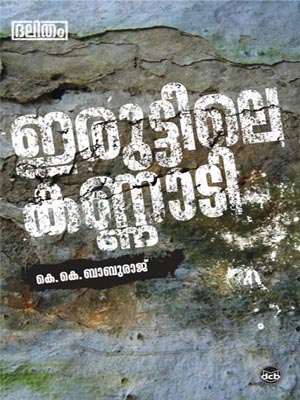
      ഇതിനു മുൻപ് ഡി.സി ബുക്സ് പ്രസിദ്ധീകരിച്ച ‘ഇരുട്ടിലെ കണ്ണാടി’ എന്ന പുസ്തകത്തിന്റെ ഉപശീർഷകം “സമകാലീന ജ്ഞാനസിദ്ധാന്തത്തിന്റെ തകരാറുകൾ” എന്നാണ്. മുഖ്യധാരാ സാഹിത്യ-സാംസ്‌കാരിക വിമർശനങ്ങളിൽ നിന്നും ജ്ഞാനപരമായിത്തന്നെ വിച്ഛേദപ്പെട്ടു നിൽക്കുന്ന ഈ വിമർശന സമീപനം അടിസ്ഥാനപരമായി കെ.കെ ബാബുരാജിന്റെ എല്ലാ പുസ്തകങ്ങളിലും ദൃശ്യമാണ്. ‘പൊതു’വിന്റെ ശരികൾ ‘വരേണ്യ ശരികൾ’ മാത്രമാണെന്നും, എല്ലാ ജനവിഭാഗങ്ങളെയും ഉൾക്കൊള്ളുന്ന ശരികൾ ഇനിയും ഉണ്ടാകേണ്ടതുണ്ടെന്നും, അതിനു നിലവിലെ ജ്ഞാനസിദ്ധാന്തം അപര്യാപ്തമാണെന്നുമുള്ള ബോധ്യമാണ് ആഴമുള്ള ചിന്തകളെ ആവശ്യപ്പെടുന്നത്. അത് ജ്ഞാനപരമായ ഒരു പിളർപ്പു തന്നെ സൃഷ്ടിക്കുന്നു. ശ്രേണീ-രഹിതവും (non-hierarchical) മർദ്ദകവുമല്ലാത്ത (non oppressed), സമത്വാധിഷ്ഠിതമായ (egalitarian) ഒരു ലോകാഭിവാഞ്ജയാണ് ആ പിളർപ്പിനെ ഉത്തേജിപ്പിക്കുന്നത്. പക്ഷങ്ങളോട് വിമർശനാത്മകമായി കലഹിച്ചും, അതിരുകളെ അസ്ഥിരപ്പെടുത്തുന്ന പരസ്പരബന്ധാവസ്ഥ (intersectionality)യുടെ സാധ്യതകളെ തിരിച്ചറിഞ്ഞും സ്വീകരിച്ചും സഹവർത്തിക്കുന്ന ഉൾക്കൊള്ളലിന്റെ രാഷ്ട്രീയമാണത്. വംശീയതയുടെയും, ന്യൂനപക്ഷ ഹിംസയുടെയും, സവർണാധിപത്യത്തിന്റെയും സങ്കീർണമായ സമകാലിക യഥാർഥ്യങ്ങളോടുള്ള നൈതികമായ ഇടപെടൽ ഇത്തരമൊരു ഫ്ലൂയിഡിറ്റി ആവശ്യപ്പെടുന്നുണ്ട്.

      ‘മൈനോരിറ്റി’ എന്നത് നിലവിലുള്ളത് മാത്രമല്ല, ഏതിടങ്ങളിലും അവസരത്തിലും സൃഷ്ടിക്കപ്പെടാവുന്നതുമായ ഒന്നായിരിക്കെ, മൈനോറിറ്റേറിയൻ (minoritarian) സമീപനത്തിന് ഒരു സ്ഥിരസത്തയുടെ വക്താവാകുക നൈതികമായി അസാധ്യമാണ്. ഭവ (being)പരമായ സ്ഥിരതയെക്കാൾ ആയിത്തീരലിന്റെ (becoming) തലമാണത്. അതുകൊണ്ടുതന്നെ, പ്രതിരോധത്തിന്റെയും ഐക്യപ്പെടലിന്റെയും സാധ്യതകൾ നിരന്തരം തുറന്നിട്ടു കൊണ്ടുള്ള ‘അപരചിന്തനം’ ഘടനാപരമായ സാമൂഹിക പരിവർത്തനവും ജനാധിപത്യവത്കരണവും കാംക്ഷിക്കുന്ന ചിന്തയും വ്യാകുലതയും തന്നെയാണെന്ന് ആവർത്തിക്കുന്നതാണ് ഈ അനുഭവ, സംവാദ, ഇടപെടലുകളുടെ കാതൽ.

      സന്തോഷ്. സി: ഗവേഷകൻ, ശ്രീ ശങ്കരാചാര്യ സംസ്കൃത സർവകലാശാല, കാലടി

      Works Cited

      Baburaj, K. K. “ശാപഗ്രസ്തനായ ഒരേഴുത്തുകാരന്റെ അനുഭവക്കുറിപ്പ്.” ഉത്തരകാലം, 18 Nov. 2018.

      Deleuze, Gilles, and Félix Guattari. Kafka: Toward a Minor Literature. Translated by Dana Polan, University of Minnesota Press, 2003.

      “നാഗരികതയുടെ മുന്നേറ്റമാണ് ദലിത് വാദം: പ്രകാശ് മാരാഹിയുമായുള്ള അഭിമുഖം.” കറന്റ് ബുക്സ് ബുള്ളറ്റിൻ, Sept. 2021.

      “ബാസിൽ ഇസ്‌ലാമുമായുള്ള അഭിമുഖം.” ഉത്തരകാലം, 1 Apr. 2021

    • വിസമ്മതിയും വിമോചനാത്മക രാഷ്ട്രീയവും

      വിസമ്മതിയും വിമോചനാത്മക രാഷ്ട്രീയവും

      അധികാര ഭൂരിപക്ഷത്തിന്റെ താൽപര്യങ്ങൾ ഒരു സമൂഹത്തിന്റെയൊന്നാകെ ഇച്ഛയായി വ്യാഖ്യാനിക്കുന്നതിലൂടെ ഭാവന ചെയ്യപ്പെടുന്ന ‘പുരോഗമന’മാണ് മർദക വ്യവസ്ഥയുടെ അടിസ്ഥാനം. മറ്റൊരു തരത്തിൽ പറഞ്ഞാൽ, മർദക വ്യവസ്ഥ സ്വാഭാവികവത്കരിക്കപ്പെട്ട സമൂഹത്തിലാണ് പുരോഗമനം ഈ രീതിയിൽ ഭാവന ചെയ്യപ്പെടുന്നത്. ഇത്തരത്തിൽ തീർത്തും സ്വാഭാവികവത്കരിക്കപ്പെട്ട ഏത് സമൂഹവും പരിഷ്കരിക്കപ്പെടുന്നത് മർദിത കീഴാള ജനത നടത്തുന്ന മുന്നേറ്റങ്ങളിലൂടെയാണ്. എന്നാൽ കീഴാള മുന്നേറ്റങ്ങളിലൂടെ സമൂഹമൊന്നാകെ നവീകരിക്കപ്പെടുന്നുണ്ട് എന്ന യാഥാർഥ്യം മറയ്ക്കപ്പെടുന്നു എന്നുമാത്രമല്ല, ഭൂരിപക്ഷ ഉദാരതയാൽ രക്ഷിക്കപ്പെടേണ്ടവരാണ് ന്യൂനപക്ഷ സമൂഹങ്ങൾ എന്ന മിഥ്യ സൃഷ്ടിച്ചുകൊണ്ട് രക്ഷാധികാരഭാവം നടിക്കാൻ ഭരണകൂടമുൾപ്പെടെയുള്ള അധികാര വ്യവസ്ഥകൾക്കു സാധിക്കുന്നുമുണ്ട്. അഥവാ, ഈ മേൽക്കൈയ്യിലൂടെ സ്ഥാപിക്കപ്പെടുന്ന അധികാരമാണ് ഭരണകൂടത്തെ നിലനിർത്തുന്നത്. കേവല പുരോഗമന യുക്തികളുടെ ആളവുകോൽ മാറ്റിവച്ച് മനസ്സിലാക്കാൻ ശ്രമിക്കുമ്പോൾ മാത്രമേ മർദിത-ന്യൂനപക്ഷ സമൂഹങ്ങൾ ഉന്നയിക്കുന്ന വിഷയങ്ങളുടെ ആഴവും മർദക ‘പൊതു’വിനെ പരിഷ്കരിച്ചെടുക്കുന്നതിലും കൂടുതൽ ജനാധിപത്യവത്കരിക്കുന്നതിലും അവയുടെ പങ്കും ബോധ്യപ്പെടുകയുള്ളൂ.

      ഈ തിരിച്ചറിവ് ഒരേസമയം ആത്മവിമർശനപരവും സവിശേഷമായ കീഴാള അവബോധ നിർമിതിയിൽ ഊന്നുന്നതുമാണ്. എന്നാൽ സംവാദ സന്നദ്ധമല്ലാത്തതും മുൻവിധികളാൽ നയിക്കപ്പെടുന്നതുമായ ഭൂരിപക്ഷ പൊതുബോധത്തിൽ വ്യത്യസ്തതകളെ പറ്റിയും അതിന്മേലുള്ള ഭരണകൂട-ഭൂരിപക്ഷ ഹിംസകളെപ്പറ്റിയുമുള്ള സംവാദങ്ങൾ നിരന്തരം അപഹസിക്കപ്പെടുകയോ ഭീകരവത്കരിക്കപ്പെടുകയോ ആണ് ചെയ്യുക. അതുകൊണ്ടുതന്നെ, അധികാരരഹിതരായ ന്യൂനപക്ഷ സമൂഹങ്ങളുടെ പ്രതിഷേധങ്ങളും സമരങ്ങളും അവഗണിക്കപ്പെടേണ്ടവയും അടിച്ചമർത്തപ്പെടേണ്ടവയുമാണെന്ന ഭൂരിപക്ഷ ബോധ്യത്തിലും ഇച്ഛയിലുമാണ് നാം ജീവിക്കുന്നത്. പല കോടതി വിധികളും ഭരണകൂട നിയമങ്ങളും നിയമ ഭേദഗതികളും പുരോഗമന പ്രഘോഷണങ്ങളും ഇതിന്റെ പ്രതിഫലനമായിത്തന്നെ മനസ്സിലാക്കേണ്ടതുണ്ട്.

      (വി)സമ്മതിയും ഭരണകൂടവും

      ആശയഭിന്നതകൾ വിസമ്മതിയെ (dissensus) രൂപപ്പെടുത്തുമെങ്കിലും എല്ലാ വിസമ്മതങ്ങളും ഭരണകൂടത്തെ പരിക്കേൽപ്പിക്കാൻ പോന്നവയല്ല. എന്നാൽ നിലനിൽക്കുന്ന വ്യവസ്ഥയിന്മേലുള്ള ആശങ്കകളിലൂന്നിക്കൊണ്ട് പരിവർത്തനോന്മുഖമായി സംവദിക്കുന്ന ആശയങ്ങളെ അഭിസംബോധന ചെയ്യുന്നത് സ്റ്റേറ്റിന്റെ മർദകപരമായ നിലനിൽപ്പിനു തന്നെ ഭീഷണിയാണ്. അതിനാൽ അവയെ ദുർവ്യാഖ്യാനം ചെയ്ത് പൊതുഭീതി സൃഷ്ടിക്കുകയോ പൂർണമായും അവഗണിക്കുകയോ അടിച്ചമർത്തുകയോ ചെയ്യുക എന്നത് ഭരണകൂടാവശ്യമാണ്. ഇത്തരത്തിലുള്ള ഹിംസാത്മകത പ്രയോഗങ്ങളെ സ്വാഭാവികവത്കരിച്ചുകൊണ്ട്, ഈ നിർമൂലനം ഒരു അനിവാര്യതയാണെന്ന് സ്വയം ബോധ്യപ്പെടുത്തുന്ന സമൂഹത്തെ സൃഷ്ടിച്ചുകൊണ്ടാണ് ഭരണകൂടം അത് സാധ്യമാക്കുന്നതും. ഈ സ്വഭാവികവത്കരണത്തോട് സന്ധി ചെയ്യുന്ന ഒന്നിനെയാണ് ‘പൊതു’ എന്ന് വ്യവഹരിച്ചു പോരുന്നത്. അതിനോട് വിയോജിപ്പ്‌ പ്രകടിപ്പിക്കുന്ന ജനതയെല്ലാം ഈ പൊതുവിന്റെ അപരങ്ങളാക്കപ്പെടുന്നു. അതുകൊണ്ടുതന്നെ ഈ ‘അപരസമൂഹങ്ങൾ’ ഉന്നയിക്കുന്ന പ്രശ്നങ്ങളും നടത്തുന്ന ചെറുത്തുനിൽപ്പുകളും സമവായമോ തുടർച്ചയോ അർഹിക്കാത്തവിധം വിസ്മരിക്കപ്പെടുകയും, ‘പൊതുസമൂഹം’ അനുവദനീയമായ നിശബ്ദത പാലിക്കുകയുമാണ് ചെയ്യുക. അടിച്ചമർത്തപ്പെടുന്ന സമരങ്ങൾ, അവ എത്രത്തോളം മനുഷ്യാന്തസിനും സമത്വജീവിതത്തിനും വേണ്ടി വാദിച്ചാലും, പൊതുജീവിതത്തെ അലോസരപ്പെടുത്താതെ പോകുന്നത് ഭരണകൂടാശയങ്ങളാൽ ചരിത്രപരമായി കിഴ്പ്പെടുത്തപ്പെട്ട (subjugated) വിധേയശരീരങ്ങളായി നമ്മുടെ ‘പൊതുജീവിതം’ പരിമിതപ്പെട്ടതുമൂലമാണ്.

      എന്നാൽ സമ്മതിസ്വഭാവം (Consensus) ഉള്ള ചെറുത്തുനിൽപ്പുകൾ ഭരണകൂടത്തിന് പ്രത്യേകിച്ച് പരിക്കുകളൊന്നും ഏൽപ്പിക്കില്ല എന്നു മാത്രവുമല്ല, തുടക്കത്തിലെ ഹിംസാത്മകമായ കാർക്കശ്യത്തിനു ശേഷം എതിർപ്പിനു കാരണമായ നീക്കങ്ങളിൽ അയവുവരുത്തുക എന്നത് ഭരണകൂട തന്ത്രവുമാണ്. പല അടവുകളും പയറ്റിനോക്കുന്ന സമവായ ചർച്ചകൾ പോലും ഇതിന്റെ ഭാഗമാണ്. ഒരു സമരസന്ദർഭം സമവായ ചർച്ചകൾക്കു പോലും ‘യോഗ്യത’ നേടുന്നതിൽ പൊതുസമ്മതിക്ക് പങ്കുണ്ട്. അതുകൊണ്ടുതന്നെ അതിനെ പൂർണമായും തള്ളിക്കളഞ്ഞ് നിലനിൽക്കാൻ ഭരണകൂടത്തിനു സാധ്യമല്ല. ജനങ്ങളെ കേൾക്കുന്നുണ്ടെന്നും ‘ശരിയായ’ സമരങ്ങളെ പരിഗണിക്കുന്നുണ്ടെന്നുമുള്ള സൂചനയും ഇതിലൂടെ വിനിമയം ചെയ്യപ്പെടുന്നുമുണ്ട്.

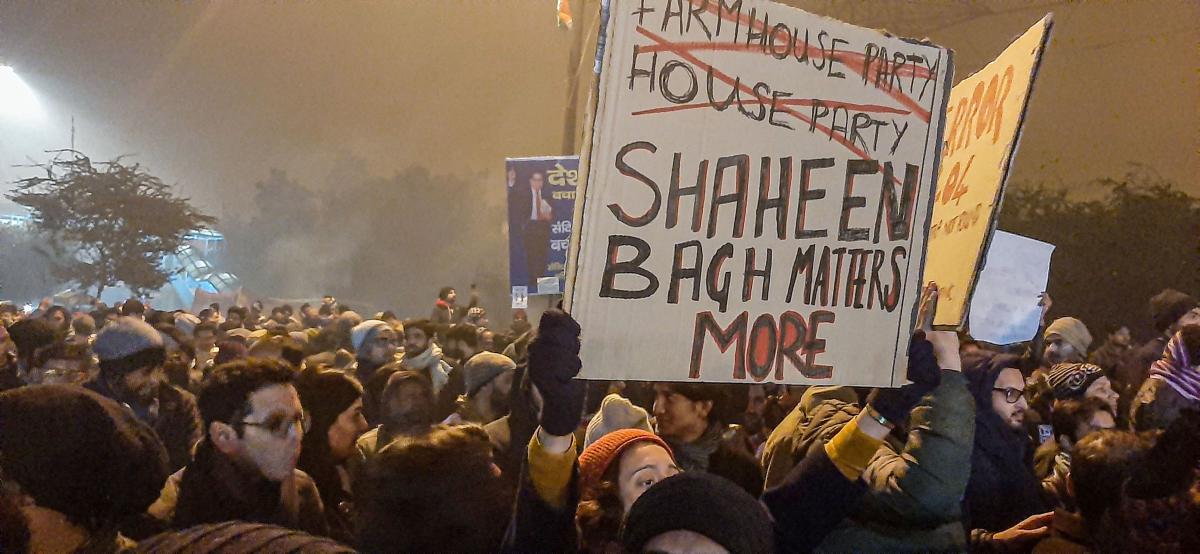
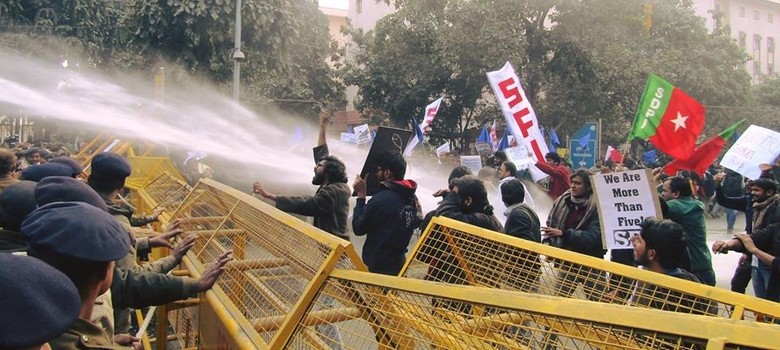
      ദൈനംദിന സന്ദർഭങ്ങൾ മുതൽ വലിയ തോതിൽ ചർച്ചയാകുന്ന ഭരണകൂട നിയമങ്ങളും കോടതി വിധികളും വരെ വലിപ്പഭേദമില്ലാതെ സമ്മതി/വിസമ്മതി രാഷ്ട്രീയത്തിൽ (consensus/dissensus politics) പ്രസക്തമാണ്. ഉദാഹരണത്തിന് ദേശീയതലത്തിൽ ചർച്ചയായ കാർഷിക-പൗരത്വ നിയമങ്ങളുമായി ബന്ധപ്പെട്ടു നടന്ന രണ്ടു സമരങ്ങളോടുള്ള ഭരണകൂടത്തിന്റെയും പൊതുസമൂഹത്തിന്റെയും പ്രതികരണങ്ങളും പരിണതിയും നാം കണ്ടതാണ്. സമരങ്ങളുടെ സംഘാടനത്തേയും ചെലവഴിച്ച ഊർജത്തേയും നഷ്ടമായ മനുഷ്യ ജീവനുകളെയും ഒടുവിൽ നേടിയെടുത്ത വിജയത്തെയും ഒട്ടും നിസാരവത്കരിക്കാതെ കാണുമ്പോഴും, കർഷക സമരത്തിന് ഒരു കൺസെൻസസിന്റെ (പൊതുസമ്മത) സ്വഭാവമുണ്ടായിരുന്നു എന്നു തിരിച്ചറിയുക ഷാഹീൻബാഗിലും മറ്റുമായി നടന്ന പൗരത്വസമരങ്ങളോട് ചേർത്തു വായിക്കുമ്പോഴാണ്. പൊതുജന സമരങ്ങളുടെയും ജനാധിപത്യത്തിന്റെയും വിജയമായി കർഷക സമരത്തെ സ്ഥാനപ്പെടുത്തുമ്പോഴും, പൊതുജന സമ്മതി ആർജിക്കാൻ സാധിക്കാതെപോയ, എന്നാൽ ജനാധിപത്യത്തെ വിപുലപ്പെടുത്താനും സമൂഹത്തെ നവീകരിക്കാനും ശേഷിയുള്ള സമരങ്ങളെ ഏത് അളവുകോൽ വച്ചാണ് നാം മൂല്യനിർണയം നടത്തുന്നത്? ഇവയെ വായിച്ചെടുക്കാൻ സാമ്പ്രദായിക സംവർഗങ്ങളും (categories) വിശകലന ഉപാധികളും പരിമിതമാണ് എന്ന പ്രാഥമിക തിരിച്ചറിവിൽ നമുക്ക് താൽപര്യമില്ലെങ്കിൽ, ജനാധിപത്യത്തെപ്പറ്റിയുള്ള നമ്മുടെ മനസ്സിലാക്കൽ തന്നെ എത്രത്തോളം സങ്കുചിതമായിരിക്കും!

      വിസമ്മതിയുടെ ഷാഹീൻബാഗ് പാഠങ്ങൾ

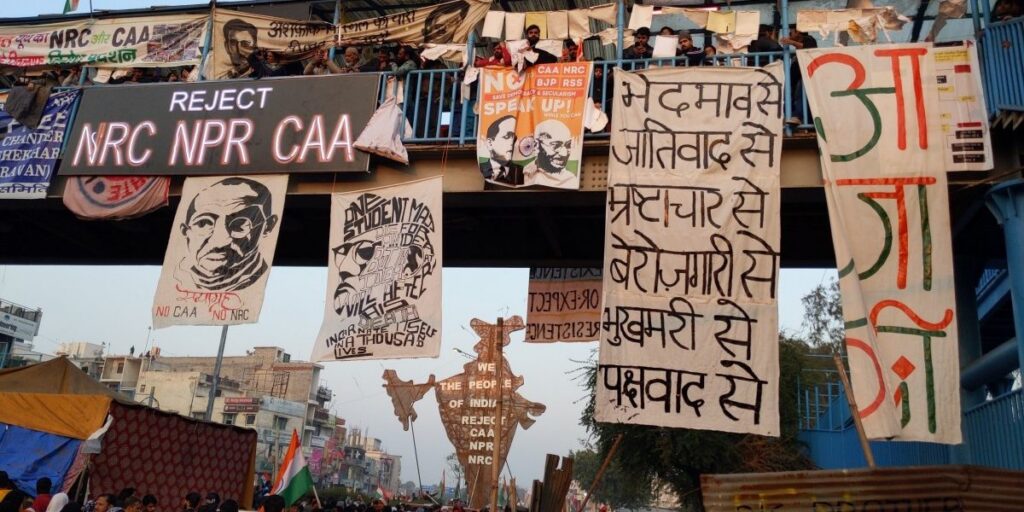
      ‘ഏകാന്തതയും കൂട്ടായ്മയും’ എന്ന ശീർഷകത്തിലുള്ള തന്റെ ഒരു പ്രഭാഷണത്തിൽ പ്രൊഫ. ഉദയകുമാർ ഇങ്ങനെ സൂചിപ്പിക്കുന്നുണ്ട്: “ഇനിയുള്ള ചെറുത്തുനിൽപ്പുകൾക്ക് ഒരുപക്ഷേ ഷാഹീൻബാഗ് പോലുള്ള സമരങ്ങളാകും തുടക്കമാകാൻ പോവുക. പൊതുസ്ഥലങ്ങൾ ഒഴിപ്പിക്കാൻ മഹാമാരിയുടെ അടിയന്തരാവസ്ഥയുടെ ശക്തി ഉപയോഗിച്ച ഭരണകൂടത്തിന് ഷാഹീൻബാഗ് ഇല്ലാതാക്കാൻ വേഗത്തിൽ സാധിച്ചു. അല്ലാത്തപക്ഷം നഗ്നമായ ഭരണകൂട ശക്തിപ്രയോഗമില്ലാതെ ഇങ്ങനെ ഒഴിവാക്കുക വിഷമമായേനെ. കൂടെനിൽപ് സാധ്യമാകുന്ന കാലത്ത് ഇനി വരുന്ന മനുഷ്യർ പ്രതിരോധങ്ങൾക്ക് പുതിയ മാർഗങ്ങൾ കണ്ടെത്തിയേക്കാം. അന്ന് ഷാഹീൻബാഗ് പോലുള്ള സമരങ്ങളാകും പിന്നിലേക്ക് തിരിഞ്ഞു നോക്കുമ്പോൾ പ്രധാനമാവുക“. പുതിയതരം നൈതികമായ സമീപനങ്ങൾ കൊണ്ട് നിലവിലുള്ള സാമൂഹിക പ്രവർത്തകരെയും പ്രതിരോധ രീതികളെയും ഷഹീൻബാഗ് ഞെട്ടിക്കുകയും ജീവിതം തന്നെ സമരമാക്കി ഭരണകൂടത്തെ അങ്കലാപ്പിലാക്കുകയും ചെയ്തുവെന്ന ഒരു ശ്രോതാവിന്റെ നിരീക്ഷണത്തോടുള്ള പ്രതികരണമായിട്ടാണ് ഉദയകുമാർ ഇതു പറഞ്ഞത്. അതുപോലെ, സർവകലാശാലാ അതിരുകളെ ഭേദിക്കുന്ന, വരുംനാളുകളുടെ ബോധനശാസ്ത്ര സന്ദർഭമായും (Pedagogic moment) ബോധനരീതിയെ ഭാഷണകേന്ദ്രിത വ്യവഹരമാക്കി തളച്ചിടുന്ന സ്ഥലപരമായ വേർതിരിക്കലിൽ നിന്നും വിദ്യാഭ്യാസമാതൃകയിൽ തന്നെ വ്യതിയാനമുണ്ടാക്കുന്ന ഒന്നായും ഷാഹീൻബാഗിനെ മുൻനിർത്തി സന്തോഷ്‌. എസ് നിരീക്ഷിക്കുന്നുണ്ട് (Politics as Pedagogy). ഇതിനൊപ്പം അദ്ദേഹത്തിന്റെ ശ്രദ്ധേയമായ മറ്റു ചില നിരീക്ഷണങ്ങളും സൂചിപ്പിക്കാം.

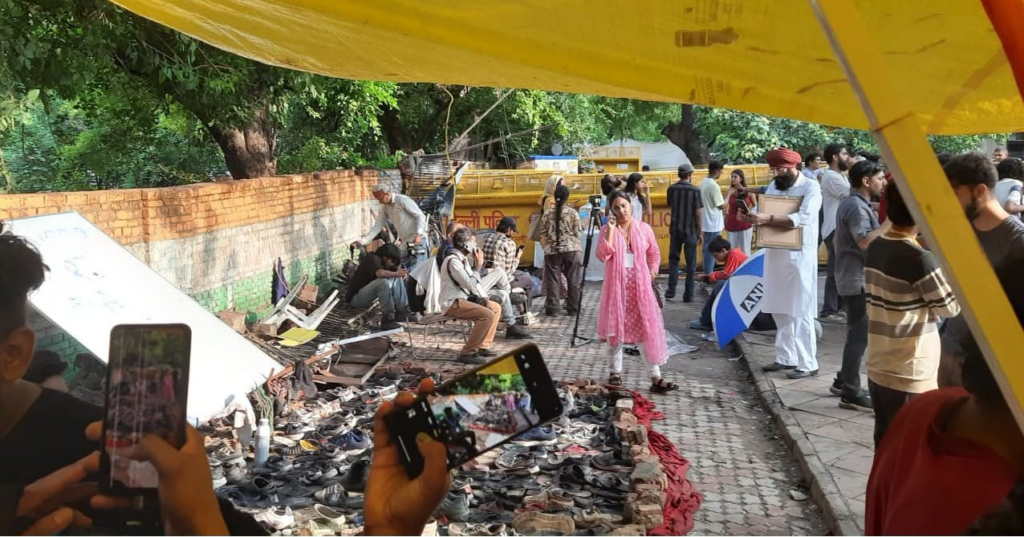
      രോഹിത് വെമുലയുടെ ആത്മഹത്യയുമായി ബന്ധപ്പെട്ട് ഹൈദരാബാദ് സർവകലാശാലയിലെ വിദ്യാർത്ഥികൾ യൂണിവേഴ്സിറ്റി ക്യാമ്പസിന്റെ നടുത്തളത്തിൽ ഉയർത്തിയ സമരപ്പന്തലിന് ‘വെളിവാട’ എന്ന് പേരിട്ടിരുന്നു. ഈ നാമകരണ പ്രക്രിയക്ക് സമാനമായി, തങ്ങളെ ദേശദ്രോഹികളായി മുദ്ര ചാർത്തുന്നത്തിനെതിരെ, ജെഎൻയു കമ്മ്യുണിറ്റി ക്യാമ്പസിലെ അഡ്മിനിസ്ട്രേറ്റീവ് കെട്ടിടത്തിനു മുന്നിലുള്ള സ്ഥലം ‘ഫ്രീഡം സ്ക്വയർ’ എന്ന പേരിൽ പ്രഖ്യാപിക്കുകയുണ്ടായി. സമരകേന്ദ്രമാക്കിയ ഈ രണ്ട് ഇടങ്ങളെയും വിവിധ പ്രവർത്തനങ്ങൾക്ക് വേദിയാക്കുക വഴി വിമർശനങ്ങളും ബദൽ ആശയങ്ങളും പങ്കുവെക്കുന്ന ‘ബോധന ഇടങ്ങളായി’ പരിവർത്തിപ്പിക്കുകയാണുണ്ടായതെന്നും, പ്രത്യേകമായ നാമകരണങ്ങളിലൂടെ ഈ രണ്ടു സംഭവങ്ങളും ബോധന പ്രക്രിയയുടെ വ്യവസ്ഥാപിതത്വത്തെ ക്ലാസ്സ്റൂമുകൾക്ക് പുറത്തേക്ക് കൊണ്ടുവരികയായിരുന്നു എന്നും സന്തോഷ്‌ അഭിപ്രായപ്പെടുന്നുണ്ട്. എന്നാൽ അതിനായി ഉപയോഗിച്ച പേരുകളെ (ഫ്രീഡം സ്ക്വയർ, വെളിവാട) മുൻനിർത്തി ഈ സമര സന്ദർഭങ്ങൾ ആന്തരവത്കരിച്ചിരിക്കുന്ന സൂക്ഷ്മ രാഷ്ട്രീയത്തെപ്പറ്റി അദ്ദേഹം ഇങ്ങനെ എഴുതുന്നു: “ഭാഷാ-സാംസ്‌കാരിക സൂചകമായ രണ്ട് സംജ്ഞകളാണ്.

      ഫ്രീഡം സ്ക്വയറും, വെളിവാടയും. താരതമ്യേന അമൂർത്തമായ സാർവലൗകിക സങ്കൽപനമാണ് സ്വാതന്ത്ര്യം (freedom) എങ്കിൽ, വെളിവാട എന്നത് സവിശേഷവും പ്രാദേശികവും മൈനറുമായ ഒരു പദപ്രയോഗമാണ്. ജാതിശ്രേണീ വ്യവസ്ഥയുടെ സ്ഥലപരമായ നിർമിതിയിൽ നാഗരികതക്കു പുറത്തുനിൽക്കുന്ന ‘യോഗ്യരല്ലാത്ത’ സമൂഹത്തിന്റെ വാസസ്ഥലത്തെ സൂചിപ്പിക്കുന്ന, വേർതിരിക്കലിന്റെയും ഒഴിവാക്കലിന്റെയും ജാതിചരിത്രം പേറുന്ന തെലുങ്ക് വാക്കാണ് ‘വെളിവാട’. ഒരു സ്ഥലത്തെ ഫ്രീഡം സ്ക്വയർ എന്ന് നാമകരണം ചെയ്യുന്നതിലൂടെ അത് നഷ്ടപ്രതാപത്തെ വീണ്ടെടുക്കാനുള്ള ശ്രമമാണ് സാധ്യമാക്കുന്നത്; അതുവഴി നിലനിൽക്കുന്ന മൂല്യവ്യവസ്ഥകളെ ഉറപ്പിക്കുകയും. എന്നാൽ നിലനിൽക്കുന്ന മൂല്യവ്യവസ്ഥകളെ വീണ്ടെടുക്കുകയും പുനഃസ്ഥാപിക്കുകയും ചെയ്യുന്ന (restitution) രാഷ്ട്രീയത്തിൽ വിശ്വസമർപ്പിക്കാതെ, ബോധനത്തിന്റെ അഗ്രഹാരമായ യൂണിവേഴ്സിറ്റിയിലേക്ക് ‘വെളിവാട‘യെ പ്രവേശിപ്പിക്കുക വഴി, യൂണിവേഴ്സിറ്റിയുടെ അടിസ്ഥാന യുക്തിയെത്തന്നെ പുനർസംഘാടനത്തിന് വിധേയമാക്കുകയും, പുതിയ സാർവലൗകികതകളെ (universals) നിർമിക്കുകയുമാണ് ചെയ്യുന്നത്.”

      പ്രതിരോധത്തിന്റെ സർവസമ്മതമായ ലാവണ്യ രീതിശാസ്ത്രങ്ങളോടൊന്നും സന്ധിചെയ്യാത്ത സമരരൂപമായി ഷാഹീൻബാഗ് മാറുന്നതിനെപ്പറ്റി സന്തോഷ്‌ ഇങ്ങനെ സൂചിപ്പിക്കുന്നു: “ഭരണഘടനയെ കേവല നീതിപുസ്തകം എന്നതിനപ്പുറം രാഷ്ട്രീയത്തെ തന്നെ പുനർ നിർവചിക്കുന്ന ഒന്നായി അവതരിപ്പിക്കുകയും അത് വാഗ്ദാനം ചെയ്യുന്ന പുതുസമൂഹസൃഷ്ടി (coming community) എന്ന ആശയത്തെ സാധ്യമാക്കുകയുമായിരുന്നു ഷഹീൻ ബാഗ്. ഭരണഘടനയാൽ നിർമിക്കപ്പെടുന്ന മനുഷ്യർ എന്നതിനപ്പുറം, പരസ്പര ബന്ധപരതയിലൂടെ ഭരണഘടനയെ സാധ്യമാക്കുന്ന മനുഷ്യർ ദൃശ്യപ്പെടുന്നതിലൂടെ ഭരണഘടനയുടെ ഫലപ്രദമായ നിലനിൽപ്പിനെ ഉറപ്പിക്കുകയായിരുന്നു ആ സന്ദർഭം.” കേവലം നീതിയിൽ ലഭ്യമാകുന്ന സ്വാതന്ത്ര്യത്തിനപ്പുറം ഓരോ ശരീരവും സ്വാതന്ത്ര്യമാകുന്ന, സുഘടിതമായ വ്യക്തികളെയും രാഷ്ട്രീയ മാതൃകകളെയും വിഘടിപ്പിച്ചുകൊണ്ട് (de-individuation) അറിയപ്പെടാത്തതിന്റെ ഇടമായി രാഷ്ട്രീയം പുനരാവിർഭവിക്കുന്ന (politics re-emerges as a space of the unknown) ആയിരിക്കലിന്റെ (becoming) ദ്രവാത്മക (fluid) സന്ദർഭമായാണ് അദ്ദേഹം ഷാഹീൻബാഗിനെ വായിച്ചെടുക്കുന്നത്.

      പൗരത്വ നിയമവുമായി ബന്ധപ്പെട്ട് ‘സെക്കുലർ പൊതുബോധ’ത്തിനു പുറതത്തു നടന്ന സമരത്തുടർച്ചയെ ഗൗരവമായി കണ്ട പലരും ഷാഹീൻബാഗിന്റെ പ്രാധാന്യം ചൂണ്ടിക്കാട്ടിയിട്ടുണ്ട്. എന്തുകൊണ്ടാകും പൊതുബോധവും ഭരണകൂടവും അജ്ഞത ഭാവിച്ചും ഭീകരവത്കരിച്ചും ഇല്ലാതാക്കിയിട്ടും ഭാവി സമരങ്ങൾക്ക് ഷാഹീൻബാഗിൽ നിന്നും പാഠങ്ങൾ ഉൾക്കൊള്ളാനുണ്ടാകുമെന്നു കരുതുന്നത്? പ്രതിരോധത്തിന്റെ നിലവിൽ സ്വീകാര്യമായ ഭാഷയെയും കീഴ്‌വഴക്കങ്ങളെയും പിൻപറ്റാതെയുള്ള ആവിഷ്കരണസ്വഭാവം (idiom) തന്നെയാകും അതിനു കാരണമെന്ന് തോന്നുന്നു. വ്യത്യസ്തമായ സമര രൂപങ്ങളിലൂടെയും സെക്കുലറിസം, ഡെമോക്രസി തുടങ്ങിയ ആശയങ്ങളുടെ ആന്തര വിമർശനങ്ങളിലൂടെയും ഷാഹീൻബാഗ് മുന്നോട്ടുവച്ച പരിവർത്തനാത്മക രാഷ്ട്രീയവും സൗന്ദര്യശാസ്ത്രവുമാണ് (transformative politics & aesthetics) ആ ആവിഷ്കാരം. ഇത് മുൻമാതൃകകളില്ലാത്തതാണ്. വിസമ്മതിയുടെ രാഷ്ട്രീയം (politics of dissensus) പ്രസക്തമാകുന്നതും അതിലൂടെയാണ്. നിലനിൽക്കുന്ന സംവർഗങ്ങളെ പിൻപറ്റി സാമൂഹിക ചലനങ്ങളെയും മനുഷ്യ മുന്നേറ്റങ്ങളെയും വ്യാഖ്യാനിക്കുന്ന പ്രതിനിധാന രാഷ്ട്രീയത്തിന് വ്യത്യസ്തതകളെ മനസ്സിലാക്കാനും സംവാദ സന്നദ്ധമാകാനും സാധ്യമല്ല. ഏതിനും ഇടനില നിൽക്കാനും സ്വാംശീകരിക്കാനും ഈ പ്രതിനിധാന രാഷ്ട്രീയത്തിന് സാധ്യമാണെങ്കിലും, പരിവർത്തനാത്മകമായ ചലനങ്ങൾ സൃഷ്ടിക്കാൻ അതു തികച്ചും അപര്യാപ്തമാണ്. ഈ പരമ്പരാഗത രാഷ്ട്രീയ മാതൃകക്ക് ഷാഹീൻബാഗ് അപവാദമാകുന്നത് സവിശേഷമായ ആവിഷ്കരണ സ്വഭാവത്തിന്റെ (idiom) നൈതികതയിലൂടെയാണ്.

      രാഷ്ട്രീയത്തെ മുൻമാതൃകകളുപയോഗിച്ച് മാത്രം സ്വീകരിക്കുന്ന, രാഷ്ട്രീയം സംസാരിക്കാൻ ‘യോഗ്യത’യുള്ളവരെ നിശ്ചയിക്കുന്ന, സ്വത്വത്തിന്റെ പേരിൽ നിലനിൽപ്പ് ചോദ്യം ചെയ്യപ്പെടുമ്പോൾ കേവല ‘സെക്കുലർ പുരോഗമനകാരി’യായി സമരം ചെയ്യണമെന്ന പരമ്പരാഗത കാഴ്ചപ്പാടുകളിൽ നിന്നുള്ള ഒരു വിച്ഛേദം കൂടിയായിരുന്നു പൗരത്വസമരങ്ങൾ. സങ്കുചിത നിർവചനങ്ങളളിൽനിന്നും ജനാധിപത്യം, മതേതരത്വം തുടങ്ങിയ സങ്കൽപ്പനങ്ങളെ സംവാദോന്മുഖമായി വീണ്ടെടുക്കാനുള്ള ശ്രമങ്ങളുടെ ഭാഗമായിക്കൂടി ഇവയെ തിരിച്ചറിയേണ്ടതുണ്ട്. മുസ്‌ലിം സ്വത്വത്തിന്റെ പേരിൽ വ്യക്തികളും ഒരു സമൂഹവും നാനാവിധത്തിൽ ആക്രമിക്കപ്പെടുകയും ഉന്മൂലന ഭീഷണി നേരിടേണ്ടി വരികയും ചെയ്യുമ്പോൾ “stand as a Muslim” എത്രത്തോളം പ്രധാനമാണെന്ന് ഷാഹീൻബാഗ് ഉൾപ്പെടെയുള്ള ചെറുത്തുനിൽപ്പുകൾ ഓർമിപ്പിക്കുന്നുണ്ട്. ഹന്ന ആരെന്റിന്റെ പ്രശസ്തമായ വാക്യങ്ങൾ ഇവിടെ ഓർക്കാവുന്നതാണ്. “If one is attacked as a Jew, one must defend oneself as a Jew. Not as a German, not as a world-citizen, not as an upholder of the Rights of Man, or whatever” (ഒരാൾ ജൂതനായതു കൊണ്ട് അന്യായമായ അക്രമണങ്ങൾക്ക് വിധേയനാകുന്നുവെങ്കിൽ, ജൂതനായി നിന്നുകൊണ്ട് തന്നെയാണ് അതിനെ പ്രതിരോധിക്കേണ്ടത്. മറിച്ച് ഒരു ജർമനോ ആഗോള പൗരനോ മനുഷ്യാവകാശ പാലകനോ ആയി ചമഞ്ഞുകൊണ്ടല്ല”). അതുകൊണ്ടുതന്നെ പൊതുസമ്മതിയുടെ വ്യാകരണവും പദാവലികളും ഇത്തരം സമരങ്ങളുടെ ഭാഗമല്ല എന്നു മാത്രവുമല്ല, പുതിയൊരു ഭാഷ കൂടിയാണ് ഇതിലൂടെ നിർമിക്കപെടുന്നതും. ചിലതിന്റെ അപരവത്കരണത്തിലൂടെ മാത്രം രൂപപ്പെടുന്ന ‘പൊതു’വിനോട് ആ അന്യവത്കരണത്തെപ്പറ്റി, അപരത്വത്തെപ്പറ്റി സംവദിച്ചുകൊണ്ട് ജനാധിപത്യമെന്ന ആശയത്തെതന്നെ വിപുലപ്പെടുത്തുന്ന മൈനർ ഭാഷയാണത്.

      ഒരു അഭിമുഖ സംഭാഷണത്തിൽ ജാക്വസ് റാൻസിയർ ഇങ്ങനെ സൂചിപ്പിക്കുന്നുണ്ട്: “ചില സന്ദർഭങ്ങളെ/മുന്നേറ്റങ്ങളെ മുൻനിർത്തി അത് ഒരു രാഷ്ട്രീയത്തിന്റെ തുടക്കമാണ് എന്ന എന്റെ കഴിഞ്ഞകാല അഭിപ്രായങ്ങളോട് പ്രാമാണിക വിശകലനങ്ങൾ തീർച്ചയായും വിയോജിച്ചേക്കാം. ആകസ്മികം, താൽകാലികം, അസംഘടിതം എന്നിവയാണ് ഇത്തരം തുടക്കങ്ങളുടെ പരാജയകാരണങ്ങളായി അവർ പറയുക. ഈ മുന്നേറ്റങ്ങൾക്കു പതനം സംഭവിച്ചു എന്നത് നേര് തന്നെയാണ്. എന്നിരുന്നാലും പുതിയ ഒരു സമയ ബോധത്തിലേക്കുള്ള തുറവി എന്ന നിലയിൽ ഈ തുടക്കങ്ങളിൽ യഥാർത്ഥമായ ഒരു രാഷ്ട്രീയക്രമം ഉണ്ടായിരുന്നു എന്ന് പറയേണ്ടതുണ്ട്. വിമോചനപരമായ സമയബോധം നിർവീര്യമാകുന്നത് സ്റ്റേറ്റിന്റെ അധികാരത്താൽ നിർണിതമായ സമയക്രമത്തിൽ പെട്ടുപോകുന്നതോടെയാണ്. കളിയുടെ നിയമങ്ങളിൽ വിള്ളൽ വീഴ്ത്താൻ വിമോചനപരമായ രാഷ്ട്രീയ മുന്നേറ്റങ്ങൾക്ക് സാധിക്കാതെ വരുന്നുണ്ട്. ഇതിന് കാരണമായി പലരും എത്തിച്ചേരുന്ന നിഗമനം ഒരു രാഷ്ട്രീയ സംഘടനയുടെ അഭാവം അവക്കുണ്ട് എന്നതാണ്. പക്ഷേ അക്കൂട്ടർ ചിന്തിക്കുന്ന സംഘടന എന്നത് എല്ലായിപ്പോഴും സ്റ്റേറ്റിന്റെ സമയബോധം പിന്തുടരുന്ന ഏകതാനമായ ഒന്നാണ്”.

      രാഷ്ട്രീയം എന്നതിനെ മുൻപേ നിശ്ചയിച്ച പ്രകാരം മാറ്റമില്ലാതെ നിലനിൽക്കുന്ന ഒന്നായി കാണുന്നതിനെയാണ് റാൻസിയർ വിമർശിക്കുന്നത്. പകരം പലതരം തുറവികളും ആന്തരിക വിമർശനങ്ങളും സാധ്യമാക്കുന്ന സന്ദർഭങ്ങളിലൂടെ രൂപപ്പെട്ടു വരുന്ന ഒന്നായാണ് അദ്ദേഹം രാഷ്ട്രീയത്തെ മനസിലാക്കുന്നത്. അത് ശ്രവ്യമല്ലാത്ത ശബ്ദങ്ങളെയും തിരിച്ചറിയപ്പെടാത്ത ഒച്ചകളെയും കേൾപ്പിക്കുന്നതിലൂടെ സാധ്യമാകുന്ന ഒന്നാണ്. നടപ്പുസംവർഗങ്ങൾ (existing categories) ഉപയോഗിച്ച് ഇവയെ മൂല്യനിർണയ വിധേയമാക്കുന്നത് മുൻവിധികളാൽ നയിക്കപ്പെടുന്നവരും ഈ മുന്നേറ്റങ്ങളോട് ശത്രുത പുലർത്തുന്നവരുമാണ്. ഭരണകൂടത്തിന്റെ സമയയുക്തിയിൽ നിന്നും വിഭിന്നമായ ഈ സന്ദർഭങ്ങളിലൂടെയാണ് വിസമ്മതി (Dissensus) രൂപപ്പെടുന്നതും. എന്നാൽ എതിർപ്പിന്റെ സ്വരം പ്രത്യക്ഷത്തിൽ കേൾപ്പിക്കുന്നതാണെങ്കിൽ കൂടി ഭരണകൂട-ക്യാപിറ്റലിസ്റ്റ് സമയബോധത്തിന് ഘടനാപരമായി പരിക്കേൽപ്പിക്കാത്ത പ്രതിഷേധരൂപങ്ങൾക്കെല്ലാം സ്വാഭാവികമായും സമ്മതിയുടെ (consensus) ഭാഷയാണുണ്ടാവുക. അതുകൊണ്ടുതന്നെ അവയെ നിരുപാധികം നിഷേധിക്കുക ഭരണകൂടത്തിന് അസാധ്യവുമാണ്. എന്നാൽ സംശയലേശമില്ലാതെ, ന്യൂനപക്ഷ സ്വരങ്ങളൊഴികെ മറ്റൊരു എതിർപ്പുമില്ലാതെ, ഹർഷാരവത്തോടെ വിസമ്മതിയെ നിർമ്മാർജനം ചെയ്യാൻ സാധിക്കുകയും ചെയ്യും. ഈ കെണിയെ സൂക്ഷ്മമായി മനസ്സിലാക്കാൻ ശ്രമിക്കുമ്പോൾ മാത്രമേ ഹിംസ എന്നത് ഭരണകൂടം അതായി നിലനിൽക്കുന്നതിന്റെ അടിസ്ഥാന നീതീകരണങ്ങളിൽ ഒന്നാണെന്നും അതിന്റെ സെലക്റ്റീവ് ആയ ശരിതെറ്റുകളിലേക്ക് കടക്കുന്നതുപോലും ജനാധിപത്യം എന്ന വാഗ്ദാനത്തിൽ നിന്നും അകന്നുപോകുന്നതിന്റെ സൂചനയുമാണെന്നും ബോധ്യപ്പെടുകയുള്ളൂ.

      ജനാധിപത്യത്തെപ്പറ്റി ദറീദ ഇങ്ങനെ പറയുന്നു: “ജനാധിപത്യം വരാനിരിക്കുന്നതാണ്. അതൊരു വാഗ്ദാനമാണ്. ആ വാഗ്ദാനത്തിന്റെ പേരിലാണ് നിലവിലെ ജനാധിപത്യം എന്ന് നിർദേശിക്കപ്പെടുന്ന ഒന്നിനെ നമുക്കെപ്പോഴും വിമർശിക്കാനും ചോദ്യം ചെയ്യാനും കഴിയുന്നത്. മറ്റേത് രാഷ്ട്രീയ സംവിധാനത്തെക്കാളും- രാജവാഴ്ച ജന്മിവാഴ്ച, പ്രഭുവാഴ്ച എന്നിങ്ങനെ- ജനാധിപത്യത്തെ വേറിട്ടുനിർത്തുന്നത് സ്വന്തം ചരിത്രപരതയെ അഥവാ ഭാവിയെ അംഗീകരിക്കുന്ന ഒരേയൊരു രാഷ്ട്രീയ പ്രക്രിയയാണ് അത് എന്നതാണ്. മാതൃകകളില്ലാത്ത മാതൃകയാണത്. അത് ആത്മവിമർശനത്തെ സ്വീകരിക്കുന്നു. മികവിന്റെ പൂർണത സാധ്യമാകുമെന്ന് കരുതുന്നു”.

      സന്തോഷ്‌ സി– ശ്രീ ശങ്കരാചാര്യ സംസ്കൃത സർവകലാശാലയിൽ ഗവേഷകനാണ് ലേഖകൻ

      Works Cited

      Arendt, Hannah. Essays in Understanding, 1930–1954: Formation, Exile, and Totalitarianism. Edited by Jerome Kohn, Schocken Books, 1994.

      “Jacques Rancière: ‘The Issue Is to Manage to Maintain Dissensus.’” Verso Books, 10 Aug. 2021. Accessed 26 June 2026.

      Santhosh S, “Politics as Pedagogy.” e-flux Architecture. Accessed 26 June 2026.

      Santhosh S, “A Spectre of Velivada Haunts Indian Politics: Thinking with Shaheen Bagh.” RAIOT. Accessed 26 June 2026.

      Udaykumar, S. P. Being Alone and Being Together. YouTube, . Accessed 26 June 2026.

      ഷെരീഫ്, മുസ്തഫ. ഇസ്ലാമും പടിഞ്ഞാറും: ദറീദയുമായി സംഭാഷണം. അദർ ബുക്സ്, കോഴിക്കോട്, 2014. 

    • Land as a Diagram of Dignity

      Land as a Diagram of Dignity

      Praveen Ashokan

      Many Dalit thinkers have observed that colonial modernity has provided untouchable communities a space to express themselves and to reconfigure their lives within emerging possibilities, inspiring a sense of hope and agency from an otherwise barbaric society, entrenched in caste hierarchies and untouchability. However, this does not mean that caste hierarchy and its oppressive dynamics have abruptly vanished in the wake of a new social order. Instead, the spatial and social dimensions have been reconfigured through new technologies of caste relations, leading to what can be termed the modernisation of caste. This does not signify the complete eradication of traditional manifestations of caste either. The point here is that caste, as a power diagram[1], continues to permeate most political and cultural experiments in the Indian polity, which are otherwise claimed to be emancipatory. In this context, I will draw two instances: the first being Narayana Guru’s encounter with a fellow passenger during a train journey, which serves as an instance of caste recognisability and spatial precaution within an apparently modern spatio-temporal manifestation. The second instance illustrates how this spatial precaution and caste recognisability continue to take on a new form of spatial modernity in present-day Kerala.

      Scene I: the Diagram, the Spatial Precaution, the Capturing Anxiety

      A biographical account of Narayana Guru describes an event in Guru’s Life as follows:

      So, the next month on the 25th of Kanni, Guru boarded the train from Aluva along with two disciples. He did not appear to get bored on the journey … The question of a person sitting next to Guru roused him from this reverie.

      “What is your name?”

      “Narayanan”, Guru said.

      “Who are you by caste?”

      “What do you feel seeing me?”, Guru responded with a question.

      “Unable to make out.”

      Then Guru said with a smile: “If you are unable to make out by seeing, how can you understand by telling?”

      Recalling this conversation with disciples while he was in Madras, Guru explained: “There is only one caste, not many … no need for any special proof that there is only one caste. When a dog sees another dog, it understands that it belongs to its caste. All animals have this understanding. They all live with such an awareness. Only humans have doubts about caste. He has no ability to recognise his caste. It is worse than animals.”

      This event or encounter in the train—in this machine of empire, a symbol of colonial modernity —seems, at least momentarily, to rearrange the old order. Within its metallic enclosure, an “untouchable body” can come in proximity with an “upper caste person”, sharing a bench, a journey, a direction. The railway appears to stage a quiet disruption, a fleeting suspension of caste’s spatial logic. And yet, this disruption is only partial—perhaps even illusory. The air inside the compartment remains unchanged. Caste does not dissolve at the threshold of modern infrastructure; it travels with it. It lingers in the hesitation before contact, in the silent negotiations of distance, in the invisible lines that persist even when bodies are forced into proximity. The train, rather than erasing hierarchy, becomes another site for its subtle reproduction. In this moving apparatus, caste is not left behind—it is carried forward, smuggled into modernity, adapting itself to new forms while retaining its old force.

      This conversation and the Guru’s rejoinder are a provocation to see the profoundly immanent and diagrammatic nature of caste manifested in a modern apparatus. The traveller’s question— “Who are you by caste?” —or the precaution of knowing the other body in proximity, is not merely a request for information, but a spatial precaution of caste and a technique for managing proximity. It reveals caste as a constantly emerging force of spatial segregation. Founded upon the Brahminical perceptual ordering, the act of seeing itself functions as a mode of territorialisation[2]. Breaking the genesis or chrono-logic, it proceeds through breaks and fractures, producing new syntheses in its culmination and manifestation—a continual modernisation of caste as a power diagram. Overemphasis on the behavioural patterns of caste encounters may end up disguising a phantom behind it. In other words, it risks producing a mere historicism of caste. Like the way it functions in this context, the logic of caste validation persists across social life. Urban landlords, for instance, often ask cryptic questions to newly visiting tenants seeking apartments or rooms, such as “What’s your surname?” or “What is your father’s name? enact the same regime of caste approximation. It is an attempt to capture the other body within a prefigured grid of caste recognisability. Such moments should not be read as the residual traces of a premodern evil lingering into the present. Rather, they reveal how caste actively reproduces itself within modernity through emergent semiotic codes, continually reconfiguring its modes of perception, validation, and exclusion.

      Here, Narayana Guru’s counter-question—“What do you feel seeing me?”—disrupts the flow of this mechanism. Rather than offering an identity, he displaces the very epistemological ground for recognition itself. Here, Guru seems to be proposing a radical ontological proposition: a knowing being founded on an ontological equality across species that escapes any logic of capture. The response or the expression “unable to make out” marks a crucial threshold: a moment of perplexity and indeterminacy, where the body in front resists immediate classification and recognition. Guru’s subsequent response with a question: “If you are unable to make out by seeing, how can you understand by telling?” foregrounds seeing as a primary sensorial act through which one can feel or sense the presence of another being in proximity, without the validation through representation or capture. This becomes obvious in Guru’s later explanation: “No need for any special proof that there is only one caste. When a dog sees another dog, it understands that it belongs to its caste. All animals have this understanding. They all live with such an awareness. Only humans have doubts about caste. He has no ability to recognise his caste. It is worse than animals.” What Guru asserts here is a form of prelinguistic, pre-representational rationality—an immanent awareness of oneness that precedes any symbolic frameworks of classification and identity such as caste.

      While our sensorial dispositions—seeability or hearability—are organised and habituated within the regime of Brahminical power, Guru’s notion of “one caste” signifies an ontological equality that exceeds the modes of capture through which visuality and discursivity order humans as representations within hierarchies. Guru’s invocation can be construed as a form of radical ontological proposition: a seeing without capture. Seeing without capture signifies a mode of encounter prior to the diagrammatic organisation of difference into identity. It is not the absence of perception, but perception before its capture by caste. This notion of seeing without capture is not merely an ethical choice; rather, it represents an ontological impossibility within a caste society where recognition itself is already hierarchized. In this sense, it is not an alternative mode of recognition but rather an exposure of the limitations inherent in the concept of recognition itself. Seeing without capture signifies the impossibility of understanding the other as separate, categorizable, or hierarchical, as it can only mirror itself. In this context, ontological oneness is not a metaphysical claim, but a refusal or resistance to the representational apparatus that makes caste legible and operative.

      While seeing is not a natural activity, but is cultured or even structured by regimes of power, the sedimented predispositions acquire the status of a mould of capture. Every act of validation in an everyday encounter functions as an approximation to this mould of capture. Mundane Malayalam Phrases such as “avane/avale kandāl ariyām” (one can recognise or know someone from their look or appearance; for instance, whether they are criminals or not) reveal this logic of approximation to the prefigured images. Yet there are moments of contingency in which what is present is not identical with or resistant to the capturing mechanism. This situation marks out the passenger’s encounter with Guru and his expression “unable to make out”. An uncertainty emerges. Let’s not confuse this uncertainty with the affirmative one—the sensory strangeness of an aesthetic moment, or an encounter that breaks with the image of thought. Rather, two subjects are produced: a subject of aesthetic affirmation that escapes capture and a desperate subject failing in its anxiety of caste recognition. The subject outside this scene—the mise-en-scene itself—is also split: between a subject in concord with the police order and an aesthetico-political subject that gestures toward a ‘redistribution of the sensible’. However, the uncertainty in the fellow passenger emerges from the failure of recognition: from an anxiety of recognition. Emerging from the sedimentation, processing in the mould like an attraction in the magnetic field, waiting for its opposite pole, but failing, its failure now transforms itself into a state of perplexity, generating an atmosphere of caste. This moment of perplexity itself is a symptom of caste, which operates at the level of an encounter with the other. In other words, caste operates not just in recognition, but also in its failure. The spectral presence of caste manifests itself as this anxiety of recognition, as this unsettled gaze, as this atmosphere, prior to its completion through displacement. This is the very psycho-pathology of caste, as Ambedkar calls it, a notional entity, a disease of the mind. Caste, in itself, is not a static entity but a power diagram that modernises itself through immanent modulation, crystallising its subjects in a graded hierarchy—a form of stagnation against any liberatory becoming.

      Scene II: The Spatial Assemblage

      A significant section of the Dalit population in Kerala continues to inhabit caste ghettos or colonies—settlements established through the state’s legislative measures, which are themselves corrective measures taken by the state government after the failure of the Land Reform Act 1963 (instituted in 1970) to ensure minimum housing facilities for the Dalit population. These settlements are named as Laksham Veedu Colonies. Beyond their precarious infrastructural and material conditions, it is important to note how these spaces are continuously re-inscribed within a semiotic regime that codes them as landscapes of segregation and cultural alterity. Here, land operates not merely as territory but as a visual and affective inscription—produced, stabilised, and circulated within a caste regime of cultural hegemony. V. V. Vinu, one of the Dalit artists of Kerala, in a recent conversation, discussed an interesting aspect of the title of his recent work. The work is titled Kazhchayude Purampokkukal; in general, it can be translated as ‘the otherness/margins of visuality’. Purampokku nilam (or Porampokku land) refers to government-owned land that is not assessed for revenue tax, often used for communal purposes like grazing, water bodies, or public roads. It signifies land belonging to the community or state, often categorised as excess land, wasteland, common land, or land set aside for public use. However, these are the lands typically occupied by the landless population for habitation. In the colloquial sense, it was derogatorily used to mean worthless, secondary, or of low status

      when contrasted with what is considered proper, interior, or prestigious. The term acquired its derogatory status precisely because of the population living there, as with the term ‘colony’ in the rural context. In the urban context, however, the colony acquires a privileged status and is often contrasted with the cheri or the slum.

      Vinu uses this term (Kazhchayude Purampokkukal) to denote his concern with the very constitutive logic of visuality itself—its own ghettoisation, the subalternity it produces, its margins and alterities in relation to the caste question. It must be distinguished from its semantic variation —Purampokkile Kazhchakal, which refers to the visuality of the purampokkukal—the landscape of the landless habitation. The latter term corresponds to the manner in which this “outside-land,” the dwelling space of the landless population, is imaginatively constituted and mediated within the cultural sphere. Expressions such as “colony,” “Onamkera Moola” (a place where even the festival of Onam does not arrive), and “purampokku” circulate within everyday discourse, literature, and cinema as signifiers of abjection. The same semiotic operation extends to the notion of “coastal language” (a dialect spoken by the fishing community), framed as an impure or culturally deficient idiom. While it projects Dalit life within a discursive field of criminality, demonisation and undesirability, it also renders these spaces as spatialities of aggression and disgust. Hence, a form of reciprocal attribution of qualities: the sociality becomes the marker of spatiality, and the spatiality becomes the marker of sociality.

      Enclosed within this double attribution, Purampokku land emerges here as a caste sensorium— through a process of semiotic and affective inscription. Caste becomes a perceptual regime: the manifestation of caste operates through the organisation of perception itself. Vinu shifts his focus from the territory(purampokkukal) as an ‘object of vision’ to ‘vision as a field of territorialisation’ structured by the regimes of power. In other words, the act of seeing itself functions as a mode of territorialisation, producing subalternities, margins and perceptual alterity. He is attributing the predicate—the purampokku (the outside-land —landscape of landless habitation), a sensorium of caste, to the visuality. Hence, there is a shift of focus from the representation of a marginal territory to the operation of a diagrammatic organisation of the perceptual regime of caste in which visuality itself becomes the site of territorialisation. His shift in focus marks a careful departure from an anthropological objectification of deprivation to a critical diagnosis of the perceptual modernisation of caste, in which caste persists not as a quantifiable fact but as an adaptive visual and semiotic regime structured within contemporary modes of seeing. When land, once distributed, becomes the dwelling ground of untouchable populations, the landscape acquires the status of a new sensorium of caste, as if the very landscape acquires the smell of caste. Thus, the distributed property becomes both the ground and the instrument of a new mode of ontological separation. Caste not only territorialises land and its population, but also territorialises the perception of land. The perceptual regime of caste diagrammatically organised as the ‘perceptual perplexity’, or the ‘capturing anxiety’, is now territorialised as a spatial fact: the purampokku, the colony, the cheri, representing the spatial modernities of caste.

      Towards a Counter Cartography

      The misrecognition of the spectral mechanism of caste has resulted in the failure of the Land Redistribution Act and its emancipatory potential. As many have noted, the question of land distribution in Kerala has been framed through the category of class, resulting not only in the failure to identify the beneficiaries but also in the failure to address the question of a dignified life. In other words, the caste question in general and the land question in particular are reduced merely to a governable category, which protects and normalises its own epistemic violences. Hence, the Dalit struggle, that is axiomatically declared as a new norm of equality[3], cannot be construed merely as a demand for land as material possession; it must be grasped as a process of re-distribution of the aesthetic regime in which caste orders the visible and the sayable. This is not to underestimate the procedural significance of legislative measures in land redistribution, but such measures alone cannot exhaust the meaning of this struggle, nor can they be reduced to a ‘governable category’ within the administrative rationality of the state. The land question, here, exceeds its juridical determination as property; rather, it projects the land as a ‘diagram of dignity’. It could be a terrain where alternative subjectivities and collective sensibilities can take form. The struggle thus unfolds as a counter-cartography of being, where the reclamation of land coincides with the invention of new modes of perception and of being itself.


      [1] Drawing from Foucault, Deleuze defines the diagram as an abstract map of the relations of forces, or as an “abstract machine”. It designates a nonstratified field of power prior to the formation of structures such as institutions, discourses, and subjects. It operates as a virtual configuration and is continually actualised in different historical forms. In the first part of the essay, I will use this conceptual framework to trace the diagrammatic organisation of power as a non-stratified relation of forces prior to the formation of a stratified assemblage, such as a caste ghetto or colony.

      [2] Territorialisation, as developed by Gilles Deleuze and Felix Guattari in A Thousand Plateaus, refers to the processes by which an assemblage acquires consistency through the making, coding, and organisation of a territory. A territory is not reducible to a physical space but is constituted through expressive acts— rhythms, repetitions, and signs— which stabilise a milieu. In this case, the perceptual regime of caste operates as a territorialising force— seeing functions as a semiotic coding of abjection.

      [3] Here, I am referring to Ambedkar’s Mahad Satyagraha speech and its further articulation by Soumyabrata Choudhury in his Book Ambedkar and Other Immortals.

      Key References

      • Ambedkar, B. R. Annihilation of Caste. Annotated critical edition. New Delhi: Navayana Publishing Pvt Ltd, 2014.

      • Rancière, Jacques. The Politics of Aesthetics: The Distribution of the Sensible. Translated by Gabriel Rockhill. London: Continuum, 2004.

      • Sadanandan, Santhosh. (2025). Decasting Caste: Spatiality and Sociality. Critical Times. 8. 309-337. 10.1215/26410478-11806657.

      • Deleuze, Gilles. Difference and Repetition. Translated by Paul Patton. New York: Columbia University Press, 1994.

      • Deleuze, Gilles. Foucault. Translated and ed. by Sean Hand. London: University of Minnesota Press, 1988.

      • Choudhury, Soumyabrata, Ambedkar and Other Immortals: An Untouchable Research Programme, New Delhi: Navayana Publishing, 2018.

      • Deleuze, Gilles. Guattari, Felix. A Thousand Plateaus: Capitalism and Schizophrenia Translated by Brian Massumi. London: University of Minnesota Press, 1987.

      • M.K, Sanoo. Sree Narayana Guru – Life and Times (Biography).Edited by: O.V. Usha. Translated by Mukundan P.R. Open Door Media, 2017.

    • Horses that are Destined to Act Like Donkeys, Donkeys that are Destined to Walk Like Donkeys

      Horses that are Destined to Act Like Donkeys, Donkeys that are Destined to Walk Like Donkeys

      Praveen Ashokan

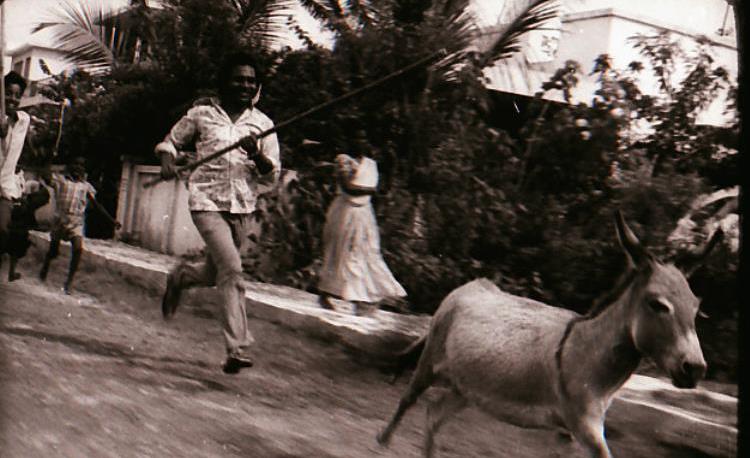
      Film frame from "Agraharathil Kazhuthai, or Donkey in a Brahmin Village" Directed by John Abraham 1977(Photo courtesy: my.iffigoa.org)

      These are the titles of two poems by poets from Kerala: Horses That Are Destined to Act Like Donkeys by one of the foremost avant-garde poets, K.G. Shankarapilla and Donkeys That Are Destined to Walk Like Donkeys by Benoy P.J., a writer who consistently engages with minoritarian aesthetics. While the first poem is celebrated as an avant-garde work in Kerala, the second reads as an in-direct critique of the first. Because of the time constraints, I am not planning to venture into a detailed analysis of these poems, but rather signpost a few observations in order to initiate a discussion regarding the historical figuration of both
      avant-garde and artist.

      Let me begin by suggesting that, in both instances, there is an aspect of mimesis— both horses and donkeys are doing an act of imitation. In the first formulation of imitation, there is a hierarchy between the horse and the donkey. The donkeys are used as subordinates to tell something about the Horse’s inherent vitality and vigour. The formulation assumes that even though the horses are inherently powerful and superior, they are destined to act like
      donkeys. In the second instance, donkeys are burdened to shoulder the social image produced of them as their very being-ness to be visible/present in the world.

      Let me bring this friction of the poetic imagination to understand the lacunas of institutional production of the figure of the artist. The figuration of the “Artist Self” within institutional contexts involves an act of imitation— a proximity between the ideal and the real. The categories such as Contemporary and modern within institutional spaces are often processed through a historicist lens, forming an idealised image (of the artists) to be
      emulated. This historicist image is an object of desire. The institutional adherence to historicism produces a hexis, a habitual disposition that remains largely unquestioned. My proposition here is that the governing logic of the institution is then directed towards naturalizing this disciplinary habitus or hexis. This hexis, while enabling the “disciplining of knowledge”, creates a structured blindness, or a perceptual order premised primarily on
      concealing than revealing, which occludes the potential for a “poiesis of knowledge.”. It is actively preserved as a “natural” disposition within institutions, marking territories between
      bodies and forms of knowledge. The lineage of this mimeticism is often ascribed to the legacies of colonialism, which conceals a prevalent form of this hexis within our institutions— the Brahminical worldview that shapes the nature of this hexis. What we may need to underline here is the normatives produced by this worldview vehemently protected and maintained by the Brahminical hegemony within academia and all other allied institutions, including what is claimed as alternatives. Reinstating this hexis will only instrumentalise knowledge rather than liberate. We now know in hindsight how the imperial schemes of
      knowledge act as a form of control and how most claims of liberatory forms of knowledge themselves came into utmost failure and oppression.

      Let me briefly bring Ranciere thoughts on knowledge and discipline to elaborate upon these propositions. He argues that, “the poetics of knowledge” does not lie in the division between
      good knowledge, which liberates, and bad knowledge, which oppresses. It lies in the domain of ignorance, which Ranciere calls a form of “productive ignorance” or “aesthetics of knowledge”. For instance, just glance through his critique of Pierre Bourdieu, who had challenged most convincingly the Kantian framework of aesthetics through a philosophical framework deeply rooted in social stratification of taste and their class affiliations. Ranciere’s
      contention with the sociologist has nothing to do with Bourdieu alone; his critique evokes how Bourdieu himself is caught up within disciplinary hexis. The discipline constitutes its object (the worker) and ties up in a platonic circle where workers can only know and think corresponding to their social positions. There is no moment of disruption for the worker as they continue to be in the time of work.

      Very often, knowledge in the institutional context is always posited as inherently liberatory. But this is not true in most cases. While the university’s claim of its spatiality as a universal extension, how it becomes Agraharas by marking its territory between ‘bodies’ and ‘knowledge’( as knowing is an inherent disposition to a group while others are only ‘bodies’ to get dominated), as articulated by S. Santhosh, reminds us of this logic.

      Most liberatory knowledge frameworks often end up with oppression rather than liberation. Knowledge can only work in the frame of power or is always attached to power. The poetics of knowledge or productive ignorance is then a method of equality, not a division between bodies and knowledge.

      Avant-garde moment, in many senses, is always intended to disrupt the mimetic order. But the fate of avant-garde was that it turned into the same telos of the mimetic logic. The image of the horse embodies the avant- garde — as bearers of true and liberatory knowledge, unlike the image of the donkey that embodies subservience and lack of vitality. Historically, this discursive and affective production of the inherent superiority of certain gender, class, caste, race, ethnicity, language groups, sexuality etc has shaped the contours of the image of the avant-garde artists. If this monumental figure of the avant-garde with liberatory potential suffice to the image of a horse, the logic of the donkey is never a pretension but a movement, a presencing of the world without subjugating itself into a mimetic order of social
      reality — a movement in all possible ways as a method of equality that uphold differences than identity.

      Today, when we think about avant-garde from laterality as its prime principle, are we still making a pretension? If laterality is imagined as movement sideways — as political alertness to remain variable— or as a rhizomatic existence — it should enhance and intensify the potential of becoming the donkey of the horse!

      In the disciplinary frameworks, the impulse to historicise contemporary often ended up summing up a question of what is contemporary than what ought to be contemporary. The
      contemporary is always unattainable — that flashing moment when both past and future appear free of all its traps. To be contemporary in this sense is only a pointer to remain alert to the contingencies of our time. It is the only quality that we embody as the ability to gaze on the contingencies of our time. Agamben describes it as a quality that neither perfectly coincides with time nor adjusts to its demands. The contemporary is untimely; It invokes a logic that escapes both the global capitalist temporal trajectory and the Brahmanical temporal order based on the Karma doctrine.

      If laterality could be an analytical model for thinking of a liberatory becoming, it should entail a constant evaluation to not fall in the trap of its own hexis. The laterality should emerge from a disruption to the mimesis — as poesies; then, there is no division between knowledge and bodies — as the concluding lines of Benoy’s poem re-sites and anti-cipate:

      The donkeys that had pastured In the common conversations of people, Will announce farewell to the abled-speakers.

      A philosophical animal will appear, ruminating the grass on a random sidewalk.

    • Curses and Stones: Towards a Mundane Quantum Cosmotechnics

      Curses and Stones: Towards a Mundane Quantum Cosmotechnics

      Kaushal Sapre

      Cobra Coil/Disorientation Diagram, 5th May 2014/1993/1964/DeepTime

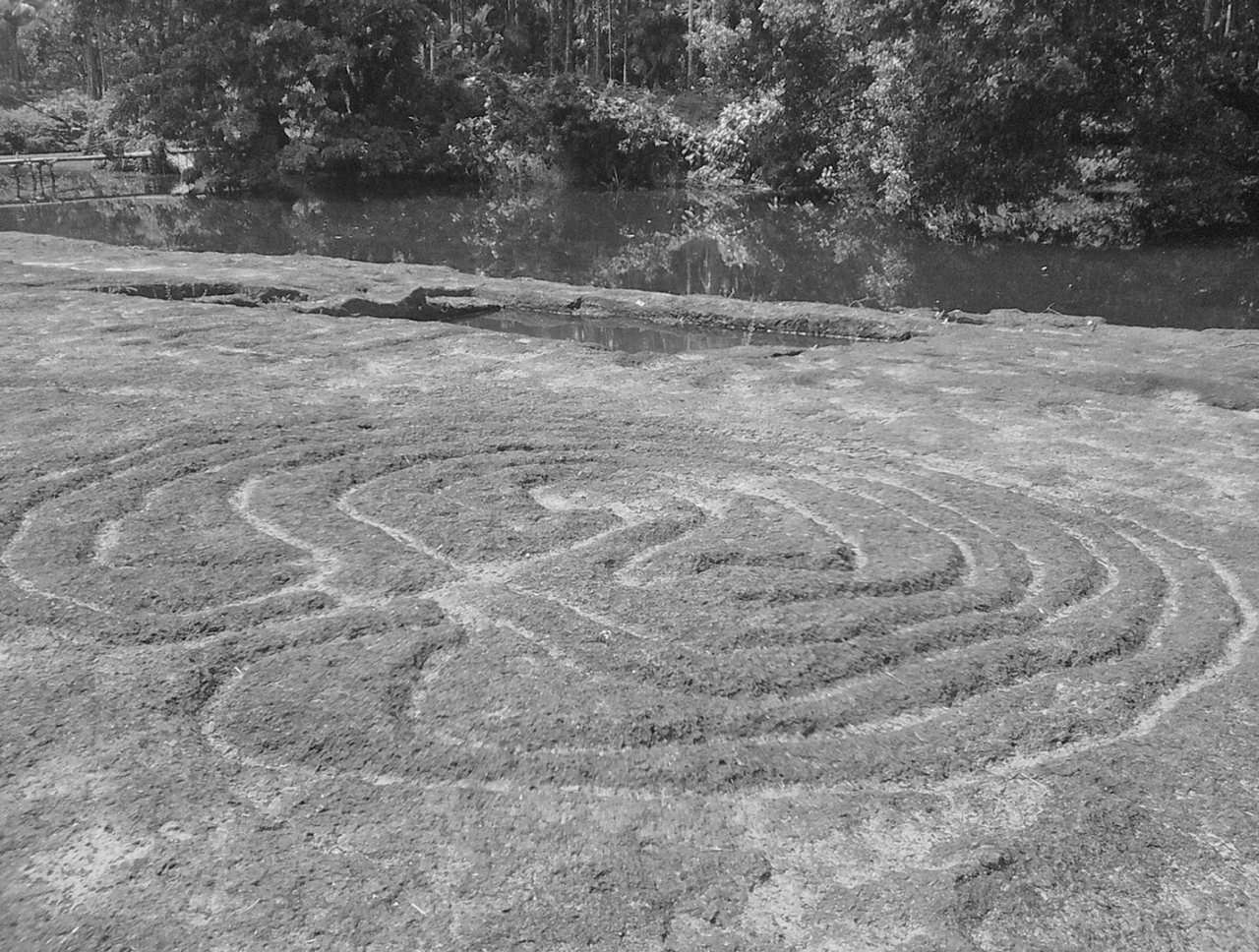
      Many years ago, I visited a place called Usgalimal in the western ghats of India in order to see the pre-historic petroglyphs discovered here in 1993. These rock carvings have been dated to around 6000-8000 years ago, belonging to the mesolithic-to-neolithic turn in the subcontinent, a period which according to archeologists marks the tail-end of a slow and eventful shift from a nomadic hunter-gatherer way of life to an agrarian milieu. After a fateful encounter with a sunbathing king cobra who ceremoniously moved along to let us pass further inside the tropical forest, we arrived at a rusty weathered signpost put up by the Archeological Survey of India to mark the site. On a red laterite riverbed that gets submerged in the Kushawati waters every monsoon, there are about a hundred carved inscriptions — images of humans, dogs, bisons and other animals, one depicting the ribcage and innards of a bull, one of a mother and a child connected by an umbilical cord. But the one that struck me with the most force and lodged itself in my memory, was one of the few unrecognizable carvings on the riverbed. It was almost circular in shape but for an opening on one end, and almost five feet in diameter, so that one could comfortably curl up and lay down upon it. The red laterite stone was meticulously carved with precision tools of the time. The circular boundary folded in upon itself in undulating concentric spirals that seemed to delineate an inward path towards a center that ended in a lopsided question mark. The grooves of the spiral grew slightly wider as they grew inward, almost giving an impression of a multi-limbed figure at its center. Others disagreed. Was it depicting an astronomical phenomenon, or perhaps a whirlpool observed in the water, or a coiling serpent, or a peacock spreading its feathers to make a giant fan?

      A few months later to my amazement, the same figure hurtled towards me from the cover page of a book of short stories by the Argentinean author Jorge Luis Borges. The particular edition was published in the United States in 1964, and it seemed to have no plausible connection with the mysterious abstract form I had encountered on the riverbed a few months ago. But it was beyond doubt that they were both the same thing. Seeing it in black and white on the familiar computer screen immediately made it so much easier to recognize it for what it really was. Like an old friend it brought back memories of afternoons spent carefully tracing lines on paper trying to find the right path through the mazes printed on the back pages of newspapers. It was a labyrinth.

      After that I started seeing labyrinths everywhere…

      The indeterminacy between words and things, meaning and matter, and their relationship with memory and its exteriorisation is at the core of the Usgalimal artefact. The ancient labyrinthine form carved on the riverbed could be more productively read not as a mimetic representational object, but one whose meaning is embedded in its technical relationship with its world — as a symbol to trap spirits, a diagram of force fields, a battle formation, a disorientation machine, a mnemonic device, a ritual totem or an apparatus of magic. Yuk Hui would call such objects cosmotechnical, in the sense that they mediate the unification of the cosmic order and the moral order of a milieu through technical activity, whether craftmaking or artmaking. What kind of morality, which and whose cosmos, and how to unite them vary from one culture to another according to different dynamics, and in turn produce different conceptions of natural and unnatural, human and non-human, sacred and profane. In a civilisational sense, there hasn’t been one or two technics[1], but many cosmotechnics. The technological rupture of western modernity produces a particular conception of ‘nature’ as a standing reserve that is always available for measurement, extraction and optimisation. The Indian caste system can be situated within another cosmotechnics premised on a hierarchy of purity that differentially distributes the quality of being more or less than ‘human’. It would be fair to speculate that the Usgalimal inscriptions operate through a cosmotechnics of a third kind, whose distinctive logic might rest upon an immanent choreography of forces of river currents, stone, season, memory, spirit and orientation, and could be enacted through various technics of carving, walking, gathering, trapping, tracing, that bind movement to landscape and landscape to memory.

      We are in the midst of a clash of cosmotechnics. From this dimension we can make claims over the stakes of contemporary artistic practices on life. We can argue for thinking as a materially oriented practice mediated through technical activity and recover the question of ethics that is embedded in all technical decisions. We can unearth the intimate relation between aesthetic, philosophical and technological thinking, and we can invent artistic practices that are not premised on representing something that already exists, but to act in the world, and to bring into a relation of proximity that which is otherwise kept far away.

      Breathless Bird/Unknown Unknowns, 1657/1927/2019

      The 1768 oil painting by Joseph Wright titled ‘An Experiment of a Bird in an Air Pump’ depicts a ‘natural philosopher’ performing one of Robert Boyle’s air pump experiments for an audience of mostly upper class onlookers. It is a highly theatrical composition, and Wright uses many techniques to depict the scientific subject of his work that were formerly reserved for religious scenography. The wild haired scientist towers over a lone bird trapped in a bulbous glass vessel. Wearing a dishevelled nightgown and an expression of reverie, he slowly removes the air from the apparatus with a vacuum pump. The objective of the experiment is to prove the reliance on air for the survival of living creatures, and the brutality of the conclusion seems to have left the audience in varied states of shock, disbelief and dismay that are amplified by the dramatic light of the lone candle lighting the scene. Some turn away, while others bear witness with stoic expressions. Light has a specific function in this composition — that of illumination of knowledge, or Enlightenment. The scientist’s gaze is dispassionate. He is not even observing the bird, but instead looks directly at us, the viewer outside the plane of the canvas. The painting stages a fundamental tenet about the nature of modern scientific knowledge — that it relies on technics that construct strict conditions of separation in order to produce phenomena as ‘objective’. With the advent of quantum mechanics in the early 20th Century, we reached a limit point of this construction, where the nature and arrangement of technics involved in setting up the experiment are themselves implicated in the kinds of conclusions that are obtained through them.

      Quantum physics developed through a series of disagreements over the true ontological nature of light — not as a signifier for knowing, but as an enigma in itself. The so called ‘dual nature of light’, the fact that it manifests particle-like characteristics in one set of experimental conditions and wave-like characteristics in other circumstances, and the fact that the same kind of indeterminacy can be observed in matter as well, forces us to confront fundamental assumptions, such as the conditions of possibility of objectivity, the nature of measurement, the nature of nature and the relationship between discursive practices and the material world. In quantum physics, ‘coherence’ refers to the potential of phenomena to interfere with each other to produce quantum behaviour. That is, the state in which the wave-like properties of so-called particles manifest themselves. Quantum experiments try to produce conditions of coherence by denoising or incrementally excluding the world in order to make the system calculable in quantum terms. One may hear a conversation in a quantum optics lab about ‘preparing the light’ — stabilising it’s frequency and polarisation, eliminating random phase fluctuations and steering laser beams through precise paths made up of labyrinthine optical fibers. There may be concern about regulation of extreme temperatures, isolation of the apparatus from miniscule physical vibration and stray electromagnetic fields and the production of near-perfect vacuums. In the lab, taking a measurement with the least amount of disturbance to the system is often spoken of as an art. Objectivity is dynamically constructed as the result of what Karen Barad calls an ‘agential cut’ — a set of temporary localised boundary conditions that stabilise certain relations as measurable, nameable and knowable, while excluding others from the field of observation. The stakes of such cuts exceed the laboratory, as the boundaries they enact participate in the material reconfiguration of worlds. The task for the artistic experiment is to enact the agential cut in ways that could allow us to apprehend a plurality of coherences, treating them as the generative intrusion of a world that refuses isolation.

      A key idea that would inform this work is the notion of ‘this-worldliness’. By ‘this-worldliness’, I wish to signal a particular outlook that is oriented towards the lived, material, relational conditions of this world. It argues for taking this world seriously, and proposes attention towards ordinary material life, infrastructure, embodiment and ecology. In that sense, the overall orientation of this proposition is a ‘mundane’ cosmotechnics, where mundane[2] could be understood as ‘belonging to this world’, along with all its inflections of banality and ordinariness. It refuses to apprehend quantum phenomena as abstract or imperceptible, but rather is interested in encountering a world that is always already profoundly strange and intimate at the same time. It is interested in how cosmic background radiation is detected in cathode ray television sets; or the fact that everyday connectivity is contingent upon the bending and diffraction of electromagnetic waves transmitted by WiFi routers through congested architectures of the city; or that weird interference patterns emerge between a cellphone tower and mobile phones on the street during a public protest. It apprehends aluminium mosquito nets as accidental Faraday cages, and optical fiber cables discarded by tethered drones in war zones as material for birds to build nests. A particular technique popular in low network coverage regions of mid-2000s India consisted of throwing a mobile phone (usually the indestructible Nokia 3310) high up in the air in order for it to catch a signal and transmit a message to a beloved. One can find resonances of this activity with the observation Gilbert Simondon makes in relation to TV antennae — ‘…it seems to represent a gesture of sorts, an almost magical power of intentionality, a contemporary form of magic. In this encounter between the highest place and the nodal point of transmission of hyper frequencies, there is a sort of ‘co-naturality’ between the human network and the natural geography of the region.’[3]

      Understanding the emergent behaviour of many-body systems is one of the outstanding problems of modern science. It is often impossible to predict the state of systems composed of multiple bodies because their collective dynamics produce unforeseeable patterns and forms of organisation. Simple interactions between individual particles may quickly compound into incalculable complexity at scale. A system may spontaneously reorder itself; or collapse; a body may flicker across multiple possible positions; an ‘I’ may inhabit many ‘We’s; a relation may hold or slowly fade away; small forces may deliriate large systems. The real question at stake is a dispositional one: how to approach indeterminacy in a non-paranoid way.

      Epilogue/Collapse

      The seminal Indian modernist artist Jyoti Bhatt, himself a driver of milieus and a keen lore-keeper of artistic chatter, narrates a story that he claims to have helped him understand the fundamental concepts of semiotics. A young man goes to a priest to seek eternal knowledge. The irate priest keeps avoiding him, giving excuses and injunctions. This goes on for many days, until finally the priest hurls a stone at the young man and utters some curses to ward him off. We don’t know why the priest is so vile and inhospitable, perhaps it is that he is protective of some secret knowledge or that he is only trying to hide his own ignorance, or perhaps something else. In any case, the young man takes the stone that was hurled at him and starts worshipping it, using the curses that were hurled at him as chants. Eventually, he attains enlightenment. When the priest hears this news he is shocked, and runs along to meet the young man and ask him how he did it. The young man laughs and replies, “With your words and things!”

      I propose that the story carries more to it than a lesson on the arbitrariness of signification processes. Rather, it is important to investigate precisely the cosmotechnics of curses and stones in order to apprehend the kind of knowledge that otherwise escapes priests.


      [1] Technics here have to be defined in a wide yet precise sense — not as a collection of tools, but as relations. Technics are processes of binding to, capturing, stabilising and redirecting various kinds of forces, whether physical, biological, social or symbolic. Unlike the narrower term technology, which usually points to machines or devices with instrumentally defined functions, technics is not primarily about objects. Rather it is about different kinds of couplings that implicate bodies, procedures, gestures, instruments, infrastructures into a shared order. For Bernard Steigler, technics are exteriorisation of memory onto material surfaces. This ‘technical memory’ is an aid to forgetting, since it allows for knowledge to be preserved in the form of different materialities and modes of inscription. Consequentially, what appears as interior thought or culture is never self-grounding but always already scaffolded by these exteriorised supports.

      [2] From Latin mundus, meaning world.

      [3] Gilbert Simondon, “Entretien sur la méchanologie,” Revue de synthèse, vol. 130/6, no. 1 (2009), pp. 103–32, here p. 111.

      Key References

      Barad, Karen. Meeting the Universe Halfway: Quantum Physics and the Entanglement of Matter and Meaning. Durham, NC: Duke University Press, 2007.

      Babu, Roshni. “Philosophy of Technology in India: Reinventing Cosmotechnical Materialisms.” Technophany: A Journal for Philosophy and Technology 3, no. 1: 1–24, 2024.

      Hui, Yuk. The Question Concerning Technology in China: An Essay in Cosmotechnics. Falmouth: Urbanomic, 2016.

      Hui, Yuk. Art and Cosmotechnics. Minneapolis: University of Minnesota Press, 2021.

      Maharaj, Sarat. “Unfinishable Sketch of ‘An Unknown Object in 4D’: Scenes of Artistic Research.” Art & Research: A Journal of Ideas, Contexts and Methods 2, no. 2, 2009.

      Majaca, Antonia, and Luciana Parisi. “The Incomputable and Instrumental Possibility.” e-flux Journal, no. 77, November 2016.

      Malatsie, Kabelo, and Lantian Xie, eds. Matter Mattering Matters: A Scienticity Reader. Milan: Mousse Publishing, 2025.

      Moten, Fred, and Stefano Harney. The Undercommons: Fugitive Planning & Black Study. Wivenhoe, UK: Minor Compositions/Autonomedia, 2013.

      Rancière, Jacques. The Politics of Aesthetics: The Distribution of the Sensible. Translated by Gabriel Rockhill. London: Continuum, 2004.

      Simondon, Gilbert. On the Mode of Existence of Technical Objects. Translated by Cecile Malaspina and John Rogove. Minneapolis: Univocal Publishing, 2017. Originally published 1958. Stiegler, Bernard. “Technical Decision.” Angelaki: Journal of the Theoretical Humanities 16, no. 4 (2011): 1–11.